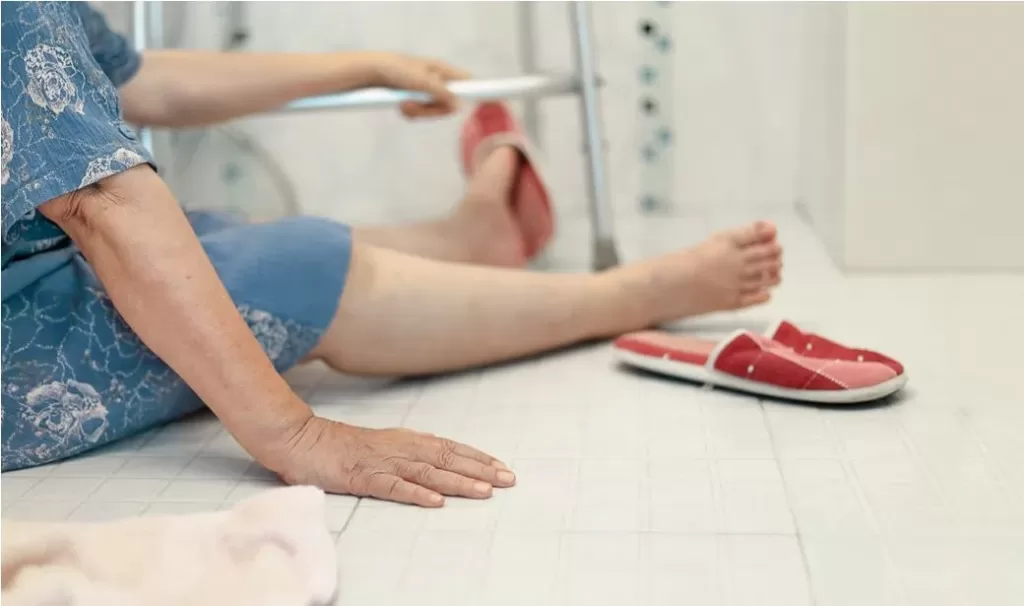

If your ageing parent, spouse, or loved one is happy living independently in their own home, there may still come a time when they need extra assistance to manage daily tasks and chores safely.
Home care is provided by a professional caregiver and typically involves non-medical support to help older adults live a safer, healthier, and more independent life while ageing in place.
Home care is tailored to each individual’s strengths and needs. Some people may require only occasional support or respite for a primary family caregiver, while others may need regular assistance or even around-the-clock care, depending on their circumstances and the needs of their family.
For many families, deciding to hire home care is not an easy decision—especially if a loved one insists they are managing just fine on their own. So how do you know when it may be time to step in?
Signs to Look Out For
1. Walking with an unsteady gait
Have you noticed your loved one holding onto furniture or walls while moving around the house? Have they experienced a recent fall or a few close calls?
More than one-third of older adults fall each year, and up to 30% of those falls result in moderate to severe injuries. These injuries often lead to a loss of independence. Preventing falls is one of the most important ways to help your loved one remain healthy and continue living in their chosen environment.
A caregiver can offer a steady hand when walking, moving, or climbing stairs and act as an extra set of eyes to ensure the home remains as safe as possible.
2. Recovering from an illness or injury
If your loved one has been unwell or is returning home from hospital, they may need extra support during their recovery.
A caregiver can assist with meal preparation, household chores, medication reminders, and provide respite for family members. If your loved one is bedridden, ER HomeCare caregivers are specially trained in safe body mechanics to assist with dressing, bathing, and using the restroom while ensuring safe movement from one place to another.
3. No longer safe to drive
Driving represents independence for many people, but age-related conditions can eventually make driving unsafe.
Asking a loved one to give up their car keys can be difficult. Having a caregiver available a few days a week to assist with errands, medical appointments, and social outings can ease this transition. Many older adults ultimately feel relieved knowing they can still get where they need to go without the stress of driving.
4. Falling behind on daily tasks and chores
If a once-tidy home has become cluttered or dusty, bills are going unpaid, or personal hygiene is declining, it may be a sign that additional help is needed.
Mobility challenges or cognitive changes can make tasks such as cleaning, organising, dressing, or bathing difficult or unsafe. Home care can reduce stress around housekeeping and ensure your loved one remains safe and comfortable, while also giving family members peace of mind.
5. Struggling with meals
Has your loved one lost interest in cooking or stopped eating regular meals? You may notice groceries going to waste or repeated shopping trips for items they already have.
While changes in appetite are common with ageing, proper nutrition remains essential. A caregiver can help with grocery shopping, meal planning, and meal preparation. Home care can be adapted to support independence—if your loved one still enjoys cooking but struggles with shopping or lifting heavy bags, care can be adjusted to strike the right balance.
This support preserves energy for the activities your loved one still enjoys.
6. Becoming lonely or isolated
If your loved one lives alone and has become less social or active, it may be time to intervene. Studies show that social isolation and loneliness significantly increase the risk of mortality, dementia, and depression in older adults.
If your loved one is reluctant to accept help, starting home care gradually can make the transition easier. Introducing care slowly and increasing support over time often helps individuals feel more comfortable and open to receiving assistance.