
February 2024

Understanding Elderly Depression And Happiness

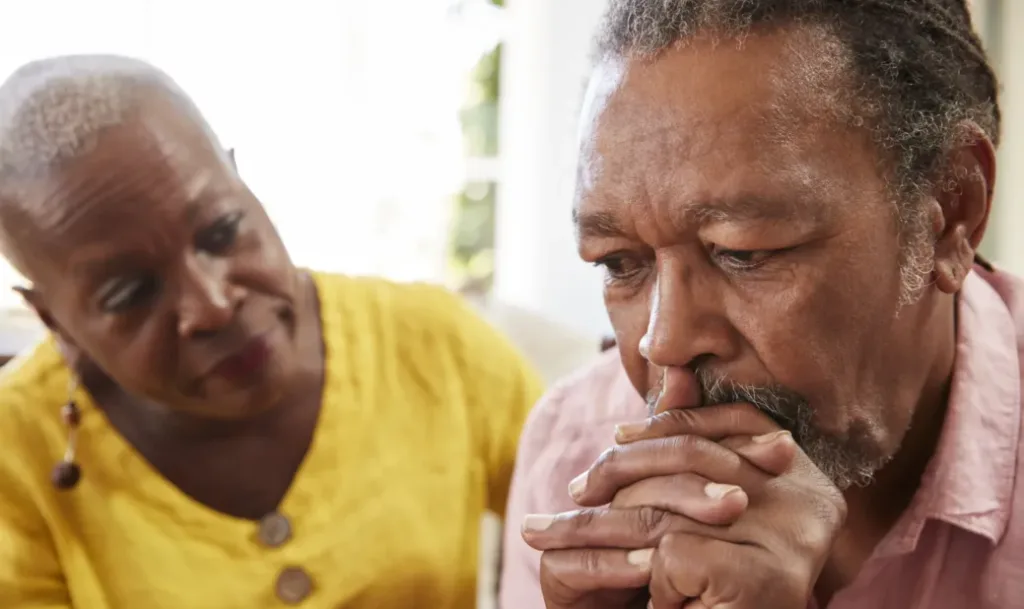
Elderly persons are prone to depression for reasons such as loneliness, loss of friends and loved ones, changes in environment or living arrangements, or physical and mental decline. However, not every senior experiences depression. A caregiver should try to understand a senior’s mood based on the past life they had led and changes they may be experiencing currently. If a caregiver senses that a person is experiencing depression (which can be brought about with physical changes, memory changes or loss of energy and motivation), it is important to discuss these observations with a physician. Treatment of depression has advanced significantly recently, and it can add significantly to quality of life.

Understanding Elderly Depression And Happiness Read More »

Depression and Sleep

Depression is often accompanied by sleep troubles. People with depression may find it difficult to fall asleep and stay asleep during the night or experience periods of excessive daytime sleepiness.

Sleep problems can exacerbate depression, leading to a negative cycle between depression and sleep that can be challenging to break. Poor sleep may even provoke depression in some people. Understanding the complex relationship between sleep and depression can be an important step in improving sleep quality and better managing depression.

Depression and Sleep Read More »

You cannot copy content of this page

Scroll to Top