
Parkinson’s Care at Home: Mobility Help, Medication Timing, and Dignity
Living with Parkinson’s disease can gradually change how someone manages everyday activities. Tasks that once required little thought — getting out of bed, walking to the bathroom, getting dressed or sitting down for a meal — may begin to take more time and effort.
For families, these changes can be difficult to navigate. You want your loved one to remain independent, but you also want to know they are safe, comfortable and receiving the support they need.
Needing assistance does not mean someone has to give up their independence or the routines that make home feel familiar.
With thoughtful planning, patience and the right level of support, people living with Parkinson’s can continue participating in everyday life at home.
Understanding the Everyday Challenges of Parkinson’s
Parkinson’s disease is a progressive neurological condition that affects movement, although symptoms and their progression differ from person to person.
Common symptoms include tremors, stiffness, slower movement and difficulties with balance or walking. Some people also experience fatigue, sleep disturbances, constipation, changes in mood, swallowing difficulties or problems with memory and concentration.
These symptoms can influence how someone manages their daily routine.
For example, a person may be capable of dressing themselves but need considerably more time. Someone who walks confidently in the morning may experience greater difficulty later in the day.
This is why Parkinson’s home care should never follow a one-size-fits-all approach.
The person’s abilities, preferences and established healthcare plan should guide the support they receive.
For more information about the condition, read the NHS guide to Parkinson’s symptoms.
1. Supporting Safe Mobility Around the Home
Movement can become more challenging as Parkinson’s progresses.
Some people experience stiffness or difficulty initiating movement. Others may develop short, shuffling steps or episodes of freezing, where they temporarily feel unable to move their feet forward.
These difficulties can make everyday activities such as getting out of a chair, walking through a doorway or turning around more demanding.
How Caregivers Can Help
Practical mobility support may include:
Keeping walking routes clear of clutter and obstacles.
Allowing enough time for the person to stand, turn or walk.
Assisting with movement according to their individual care plan.
Keeping frequently used items within comfortable reach.
Ensuring recommended walking aids are accessible.
Helping the person move safely between rooms.
Supporting independence within the limits established by their healthcare professionals.
Rushing someone who is experiencing difficulty moving can increase frustration and may create additional safety concerns.
A calm approach, patience and following the movement strategies recommended by their physiotherapist or healthcare team are important.
Caregivers should not improvise lifting or transfer techniques or physically force movement during a freezing episode.
2. Why Medication Timing Matters
For many people living with Parkinson’s, medication forms an important part of managing symptoms.
Some Parkinson’s medications need to be taken at specific times to maintain their intended effects. Delayed or missed doses may affect movement and other symptoms.
Medication schedules can become particularly challenging when someone is taking several medicines or has difficulty remembering their routine.
Supporting the Prescribed Medication Schedule
Depending on the person’s care arrangement and the caregiver’s authorised responsibilities, practical assistance may include:
Providing reminders at prescribed times.
Keeping the medication schedule accessible.
Helping the family monitor medication supplies.
Following established routines around medication times.
Communicating concerns about missed doses or changes in wellbeing.
Helping coordinate prescription collections or medical appointments.
Caregivers must not independently change medication doses, alter schedules or decide when medication should be stopped.
If a dose is missed or medication instructions are uncertain, the prescribing healthcare professional or pharmacist should be contacted for advice.
For additional guidance on organising medication routines, read our article on Medication Management at Home.
3. Personal Care Without Taking Away Independence
Parkinson’s can make personal care more time-consuming.
Buttoning a shirt, brushing teeth, washing, shaving or getting dressed may become difficult because of tremors, stiffness or slower movements.
It can be tempting for a family member or caregiver to step in and complete every task.
However, assistance should not automatically mean taking over.
A More Supportive Approach
Where it is safe, encourage the person to remain involved in their personal care.
This may mean:
Allowing extra time for dressing.
Offering assistance with difficult buttons or fastenings.
Preparing clothing in the order it will be worn.
Keeping personal care products within reach.
Providing assistance with bathing or grooming when needed.
Respecting privacy during intimate care.
Asking how the person prefers to be helped.
Something as simple as allowing a person to choose their clothing or complete part of their morning routine can help preserve their sense of control.
Dignity is not only about how someone is treated. It is also about allowing them to remain involved in decisions about their own life.
4. Making Bathing and Toileting Safer
Bathrooms can become particularly challenging for someone experiencing balance difficulties, stiffness or reduced mobility.
Getting into a shower, turning in a small space, sitting down on the toilet or standing up again may require assistance.
Parkinson’s can also affect bladder and bowel function, making bathroom routines more complicated for some individuals.
Families should consider whether the bathroom remains suitable for the person’s current mobility needs.
Practical considerations include adequate lighting, clear walking routes, appropriate grab rails and suitable bathroom equipment recommended by a qualified professional.
Caregivers can assist with bathing, dressing and toileting according to the person’s needs while maintaining privacy and respecting their preferences.
When mobility changes, an occupational therapist can advise on suitable adaptations and equipment.
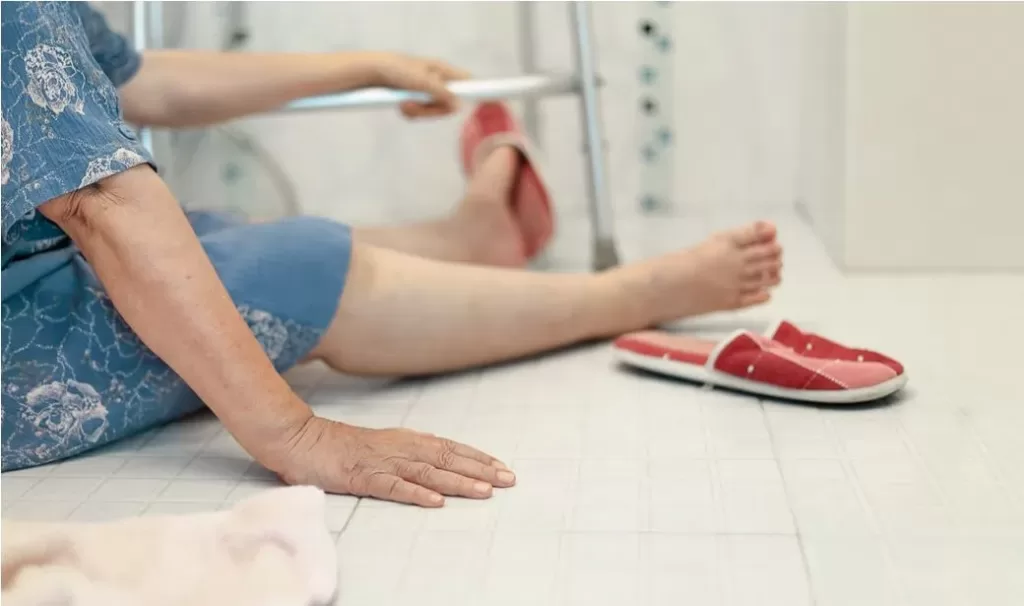
5. Reducing Fall Risks at Home
Balance difficulties, changes in walking patterns and episodes of freezing can increase the risk of falling for some people living with Parkinson’s.
The home environment should therefore be reviewed regularly as mobility changes.
Look at everyday areas such as:
The route between the bedroom and bathroom.
Loose rugs and slippery floors.
Furniture obstructing walkways.
Poor lighting in passages.
Steps and uneven surfaces.
Bathroom access.
The space needed for walking aids.
Falls are not always caused by environmental hazards. Medication effects, blood pressure changes and other health factors may also contribute.
A healthcare professional should assess repeated falls, dizziness or significant changes in balance.
Families can use ER Home Care’s Home Safety Assessment: A Room-by-Room Checklist to review potential hazards throughout the home.
6. Supporting Meals and Everyday Nutrition
Eating can become more difficult for someone living with Parkinson’s.
Tremors, stiffness and slower movement may make it challenging to use utensils, cut food or finish a meal comfortably.
Some people also experience swallowing difficulties, which require professional assessment.
How Home Care Can Support Mealtimes
Caregivers may assist by:
Preparing meals according to the person’s established dietary instructions.
Allowing enough time for eating.
Helping with meal setup.
Providing assistance with utensils when needed.
Encouraging independence where appropriate.
Noticing and reporting difficulties with eating or drinking.
If the person experiences coughing, choking, a wet-sounding voice during meals or other signs of swallowing difficulty, their healthcare team should be informed promptly. Severe choking or breathing difficulty requires emergency assistance.
Caregivers should not independently change food textures, thicken liquids or introduce swallowing techniques without professional guidance.
A speech-language therapist or another appropriately qualified healthcare professional can assess swallowing concerns and recommend suitable measures.
7. The Importance of Companionship and Emotional Support
Parkinson’s affects more than physical movement.
Changes in mobility, communication, sleep and independence can influence a person’s confidence and emotional wellbeing.
Someone who previously enjoyed social activities may become reluctant to leave home. Others may feel frustrated because ordinary tasks now take longer.
Caregivers can provide companionship and help maintain familiar routines.
This might involve spending time talking, enjoying music, assisting with hobbies, accompanying the person during appropriate activities or simply being present.
It is important to continue speaking directly to the person receiving care rather than automatically directing every conversation to their family.
Parkinson’s does not remove someone’s right to make decisions, express preferences or participate in everyday life.
8. Keeping Daily Routines Consistent but Flexible
Predictable routines can make everyday care easier to organise.
For example, a typical day may include personal care, prescribed medication reminders, meals, rest periods, recommended activities and time for companionship.
However, Parkinson’s symptoms may fluctuate throughout the day.
A person may need more assistance at certain times and less at others.
Care should therefore remain flexible enough to accommodate changes in energy, mobility and comfort, while prescribed medication times remain consistent with medical instructions.
The aim is not to force someone through a schedule.
It is to create a manageable routine that supports their needs while allowing room for how they feel on a particular day.
9. When Families May Need Additional Home Care
Many families initially provide support themselves.
Over time, however, daily care responsibilities can become more demanding.
A loved one may begin needing assistance with bathing, dressing, getting out of bed, preparing meals or moving around the home.
Medication reminders may become more complicated, and family members may find it difficult to provide consistent assistance while managing their other responsibilities.
Consider whether your loved one:
Needs regular assistance with personal care.
Has increasing difficulty moving around the home.
Requires help maintaining everyday routines.
Has difficulty preparing meals.
Needs companionship or supervision.
Requires assistance during the evening or overnight.
Would benefit from additional support while family members are unavailable.
The answers can help determine whether professional home care would be appropriate.
For families concerned about support during the evening, our article on Night Care at Home explains when additional overnight assistance may be helpful.
Parkinson’s Home Care Is About Supporting the Person
A Parkinson’s diagnosis does not define the person living with it.
They still have preferences, habits, relationships and a way of doing things that matters to them.
Good home care recognises this.
It means allowing someone enough time to complete a task, offering help without immediately taking over and recognising when their needs have changed.
It also means understanding the limits of caregiving.
Doctors, neurologists, nurses and other qualified healthcare professionals remain responsible for medical assessment and treatment. Home caregivers provide practical assistance with the everyday routines around that care plan.
Both have an important role, but they are not interchangeable.
Personalised Parkinson’s Care at Home with ER Home Care
Every person living with Parkinson’s experiences the condition differently.
Some people may only need a few hours of assistance with personal care and everyday routines. Others may require more regular support as their needs change.
ER Home Care provides personalised home care services to help individuals remain comfortable and supported in their own homes.
Our caregivers can assist with everyday activities such as personal care, mobility support, meal preparation, medication reminders and companionship, according to the person’s individual needs and care arrangement.
ER Home Care supports families in Edenvale, Johannesburg, Pretoria, Ekurhuleni, Mbombela and surrounding service areas.
If your loved one is finding everyday routines increasingly difficult to manage, contact ER Home Care to discuss the level of home care support that may be appropriate.
Because home care should not only be about helping someone get through the day. It should also be about respecting the person they have always been.