Mobility, Speech, and Daily Routines
Recovering from a stroke is often described as a gradual process. For many families, the transition from hospital to home brings both relief and uncertainty. While it is comforting to be back in familiar surroundings, it can also raise questions about how best to support a loved one day by day.
The good news is that recovery at home does not need to feel overwhelming. With patience, gentle structure, and the right support, daily life can begin to feel steady again.
Understanding the Pace of Recovery
No two stroke recoveries look the same. Some changes may be visible straight away, while others take time to become clear. Energy levels may vary from day to day, and progress can feel uneven at times.
This is a normal part of recovery.
Rather than focusing on how quickly things improve, it often helps to focus on consistency — small, repeated efforts that support confidence and independence over time.
Supporting Safe Movement at Home
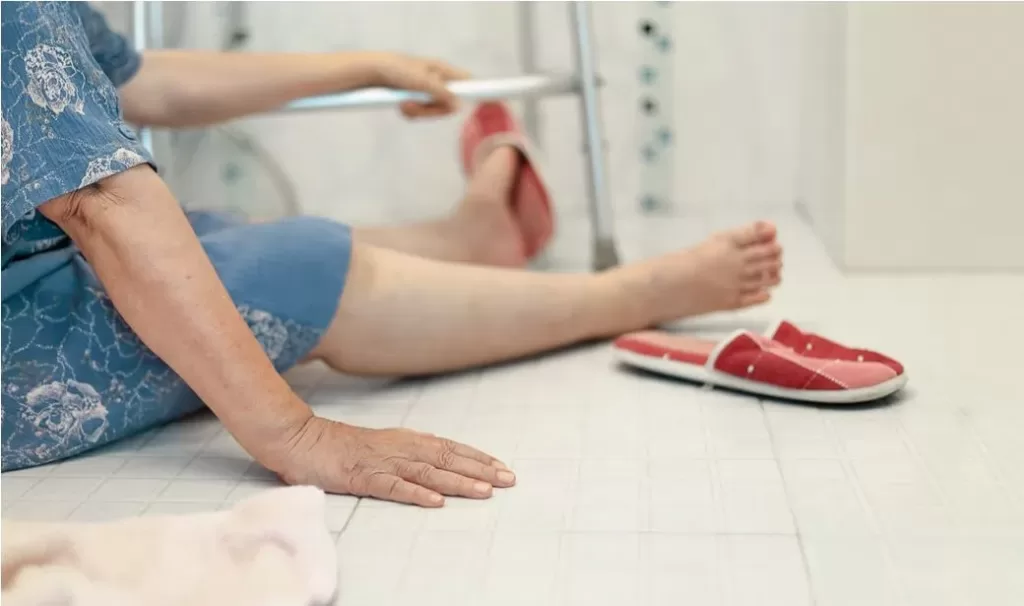
Mobility is often one of the first areas families become concerned about. Standing, walking, or even moving between rooms may require more effort than before.
You may find it helpful to:
- Keep pathways clear and free of obstacles
- Encourage slow, steady movement rather than rushing
- Offer support when needed, while allowing independence where possible
- Ensure comfortable seating that is easy to get in and out of
Even small improvements in movement can make a meaningful difference to confidence and daily comfort.
Communicating With Patience and Understanding
For some people, a stroke can affect speech or the ability to find the right words. This can feel frustrating for both the individual and their family.
Gentle communication can help ease this process:
- Allow extra time for responses
- Keep conversations calm and unhurried
- Focus on listening, not correcting
- Use simple, clear language when needed
Connection matters more than perfect words. Being present and patient often provides the greatest reassurance.
Creating Supportive Daily Routines
After a stroke, familiar routines can help bring structure and stability back into daily life.
Simple routines might include:
- Regular meal times
- Scheduled rest periods
- Light daily activities
- Consistent medication times
These patterns help reduce uncertainty and make the day feel more manageable for everyone involved.
Balancing Support and Independence
It is natural to want to help with everything, especially in the early stages of recovery. At the same time, maintaining a sense of independence is important for confidence and emotional wellbeing.
You may find that a balanced approach works best — offering support where needed, while encouraging your loved one to do what they comfortably can on their own.
Recovery is not about doing less. It is about doing things in a way that feels safe and sustainable.
When Extra Support Can Make a Difference
Caring for someone after a stroke can require ongoing attention, especially when mobility, communication, and daily routines are still being re-established.
Additional support at home can help with:
- Safe movement and mobility assistance
- Daily personal care
- Meal preparation and hydration
- Medication reminders
- Providing reassurance and consistency throughout the day
This kind of support allows families to focus on connection, while knowing that daily needs are being managed with care.
Moving Forward, One Step at a Time
Recovery after a stroke is not defined by speed, but by steady progress and support.
With patience, understanding, and the right balance of care, home can become a place of comfort, confidence, and continued healing.
Need Support at Home After a Stroke?
If you’re caring for a loved one after a stroke and would like guidance or support, our team is here to help you navigate the next steps calmly and without pressure.
📞 Call: 079 316 5425
✉️ Email: lynn@erhomecare.co.za
🌐 Enquire online: www.erhomecare.co.za