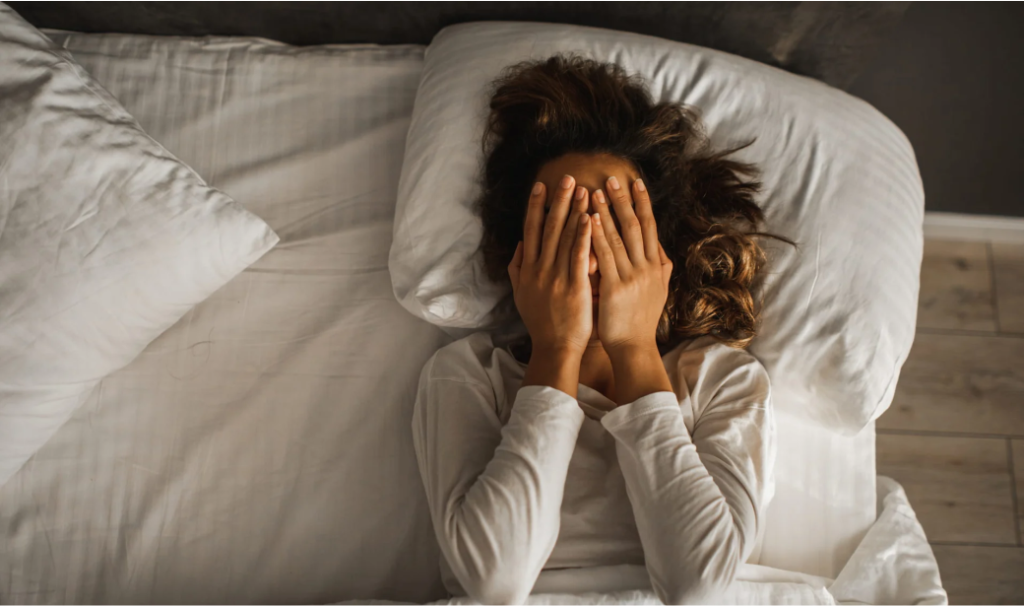
Depression is marked by persistent bouts of sadness, disappointment, and hopelessness, as well as other emotional, mental, and physical changes that lead to difficulties with daily activities. When difficult emotions remain present for more than two weeks, are felt nearly every day, and remain present for most of the day, they may be related to a group of mood disorders called depressive disorders.
Depression is often accompanied by sleep troubles. People with depression may find it difficult to fall asleep and stay asleep during the night or experience periods of excessive daytime sleepiness.
Sleep problems can exacerbate depression, leading to a negative cycle between depression and sleep that can be challenging to break. Poor sleep may even provoke depression in some people. Understanding the complex relationship between sleep and depression can be an important step in improving sleep quality and better managing depression.
How Are Sleep and Depression Related?
Depression and sleep issues have a bidirectional relationship National Center for Biotechnology Information.
Biotechnology Information advances science and health by providing access to biomedical and gnomic information. This means that poor sleep can contribute to the development of depression and having depression makes a person more likely to experience sleep troubles. This complex relationship can make it challenging to know which came first, sleep issues or depression.
Tips for Sleeping Better With Depression
Sleep problems can increase the risk of initially developing depression, and persistent sleep issues can also increase the risk of relapse in people who have successfully been treated for depression. As a result, implementing these healthy habits can both help you sleep better, boost your mood, and help decrease some of the challenging symptoms of depression.
Talk to a Therapist
There are several different kinds of therapy to help you cope with depression and change your thought patterns around sleep. Therapeutic models such as CBT, interpersonal psychotherapy, and psycho-dynamic therapy can help you process some of the underlying feelings and challenges that contribute to depression. Mental health professionals can also suggest concrete behavioral changes to mitigate some of the symptoms of depression and provide coping mechanisms to manage restless, sleepless nights.
Nap Carefully
Restless or inconsistent sleep at night can make it tempting to nap during the day,but it is important to keep naps relatively brief. Research has found the ideal nap length is between 10 and 20 minutes, what is usually called a “power nap.” Power naps can help regulate emotions, reduce sleepiness, and lead to an overall uptick in performance. Naps that last longer than 20 minutes could interfere with your ability to fall asleep, while naps shorter than 10 minutes are not long enough to gain the benefits from napping.
Avoid Alcohol
It can be tempting to have a drink or two to promote relaxation and sleepiness, but alcohol has a harmful effect on sleep. While studies have shown that binge-drinking before bed leads to difficulty falling asleep and staying asleep, even moderate drinking is enough to disrupt the sleep cycle and shorten REM sleep.
Get Outside
Spending time outdoors is one of the simplest ways to aid your sleep if you suffer from depression. Exposure to sunlight aligns the body’s internal clock and circadian rhythms giving cues for when to be alert and when to sleep. For instance, getting regular sunlight is a signal to the body to be alert and active. As the sun sets, the body then produces melatonin to induce sleepiness and promote sleep. Time outside can be a simple and effective way to trigger the natural chemicals in the brain that promote high-quality sleep.
Exercise Regularly
Research indicates those who engage in light, moderate or strenuous exercise reported very good or fairly good sleep quality. Additionally, regular exercise has shown to significantly decrease symptoms of depression, making it an excellent choice to promote sleep health and mental health. If you decide to implement an exercise regimen, consider doing your workout during the first half of the day, as exercising in the evening could interfere with your ability to fall asleep.