Dealing with difficult patients might be hard, but it doesn’t have to stop you from doing your job. Every patient is unique and there are no universal strategies, but there are tips you can use to handle difficult situations with different patients.
Don’t take anything personally…
Keep in mind that the patient might be suffering from unfortunate circumstances and can be moody. Don’t let their mood swings affect your job. Just try to understand the situation they are in. Don’t think the patient has personal grudges or is upset with you.
Look for the cause…
Many patients might present with negative moods as they could be suffering from the side effects of medications and pain which can make them frustrated. By looking for the underlying cause of a problem, you can change their mood. It would help if you tried to find out why a patient is being aggressive and moody rather than reacting to them in a rash manner.
Show that you care…
Sometimes a patient thinks that no one cares about him/her or listens to him/her so they might act aggressively and make an issue out of everything. Rather than getting irritated with the patient, deal with him/her in a caring manner.
Be attentive at all times…
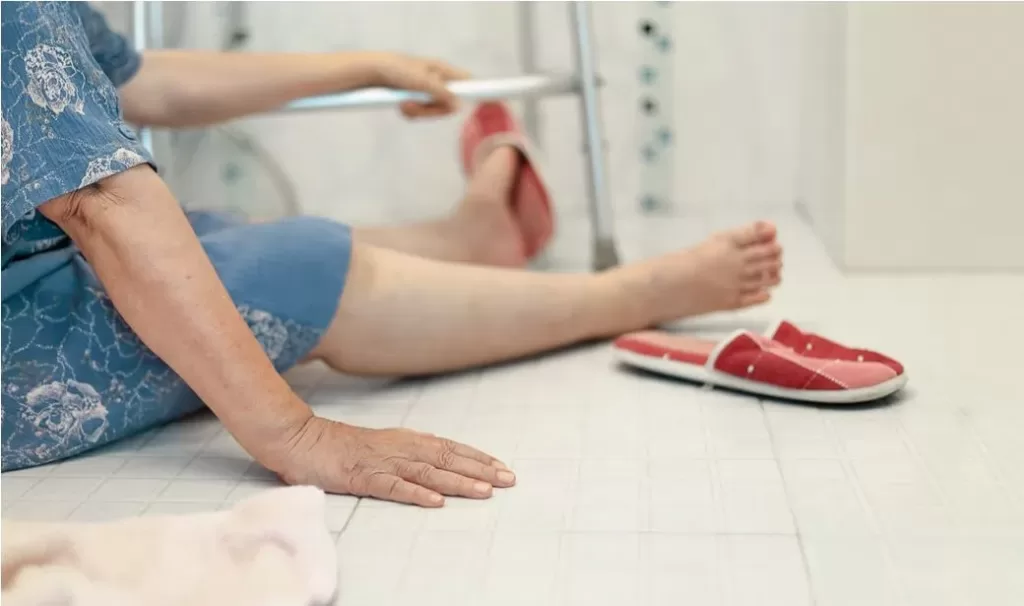
While working in a home health environment, it is crucial to be attentive at all times. Your first priority is to give your patient the care they need and make them feel comfortable. While doing so, don’t get distracted by doing other tasks. As some patients need extra care and help to carry out their daily activities, keep a close eye on your patient as he might fall or injure himself.
Great communication…
When it comes to working as a Caregiver, communication is the most important skill. You should listen to everything the patient says to you. That includes them telling you about the side effects of medications, their symptoms or if they want to share something personal…
Be flexible…
The most important skill a home health aide should have is flexibility. You should keep in mind that you are not only keeping track of patients’ physical health but also of their daily routine activity. The tasks might include bathing, feeding, and dressing the patient as well as doing house chores. For this, you need to show flexibility and be open about any kind of tasks you might need to do during your shift.
Remember that your job is to care about not only the physical but the emotional well-being of your patient as well. Your patient might be dealing with more pain or emotional trauma than others, which could cause them to behave differently. Try to remain patient with your patient at all times and understand their unique situation.
Discover our in-house nursing services today. Explore more about us or visit our shop now.