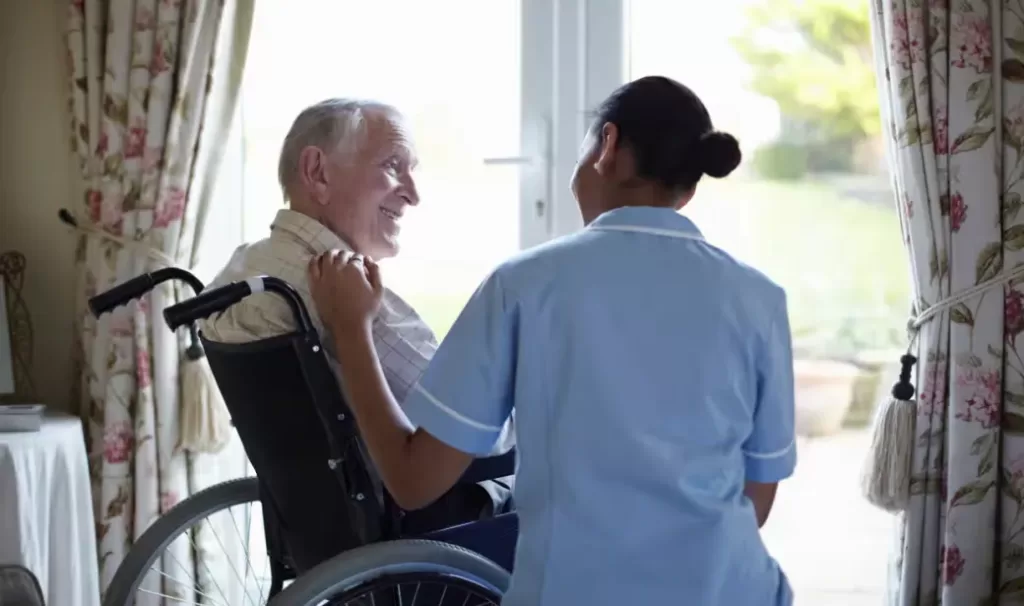
A caregiver cares for the health and well-being of someone who needs help with daily tasks and activities. Your ageing loved one may need a caregiver because of an injury, mobility or memory issues, illnesses, or chronic conditions that make everyday chores more challenging.
Depending on the level of support provided, long-term caregiving can take a toll on the caregiver’s physical and emotional health. Consider your loved one’s condition and your health and skills to determine whether in-home care is appropriate or if more specialized care is needed
Take a look at these top caregiver responsibilities:
- Assess medical needs – Checking on your senior loved one’s health is an important caregiver responsibility. You may need to help keep track of medical appointments, manage medications and chronic conditions, or assess pain levels. It’s a good idea to discuss your loved one’s health with their doctor and other health professionals regularly.
- Prepare a care plan – Preparing a care plan that addresses your senior loved one’s care needs and goals can be helpful when you begin your caregiving journey. A plan can help you determine how many hours of care a day your loved one will require and whether you need additional help to ensure his or her health and safety.
- Assist with basic needs – Memory and mobility issues can make even basic needs such as eating, bathing, grooming, and toileting — commonly referred to as “activities of daily living,” or ADLs — challenging. Check in often and pay attention to specific signs and changes to determine if your loved one needs extra help.
- Provide companionship – One of the most essential but sometimes overlooked parts of caregiving is companionship. Feelings of loneliness in older adults can lead to serious health consequences including depression. When you care for an ageing loved one, you are creating opportunities to strengthen your bond and connection.
- Help with housekeeping – As your loved one ages, maintaining a home can become increasingly difficult. Older adults may need help with dishes, garbage removal, or vacuuming. If your loved one lives in a house, yard work, snow shovelling, and daily maintenance may be too much for them to handle even with your help. Consider whether your loved one would benefit from the convenience and support of a senior living community.
- Monitor medications – Older adults often take several prescription medications to treat chronic conditions. Your loved one may need help keeping track of their medication, understanding drug interactions and taking prescribed doses at the correct times.
- Prepare meals – Food preparation can become increasingly difficult with age. If your loved one lives alone, they may lack the energy or motivation to cook. In some cases, memory and balance issues may make cooking unsafe. As a caregiver, you can help with grocery shopping, preparing meals or finding alternatives to ensure your loved one gets proper nutrition.
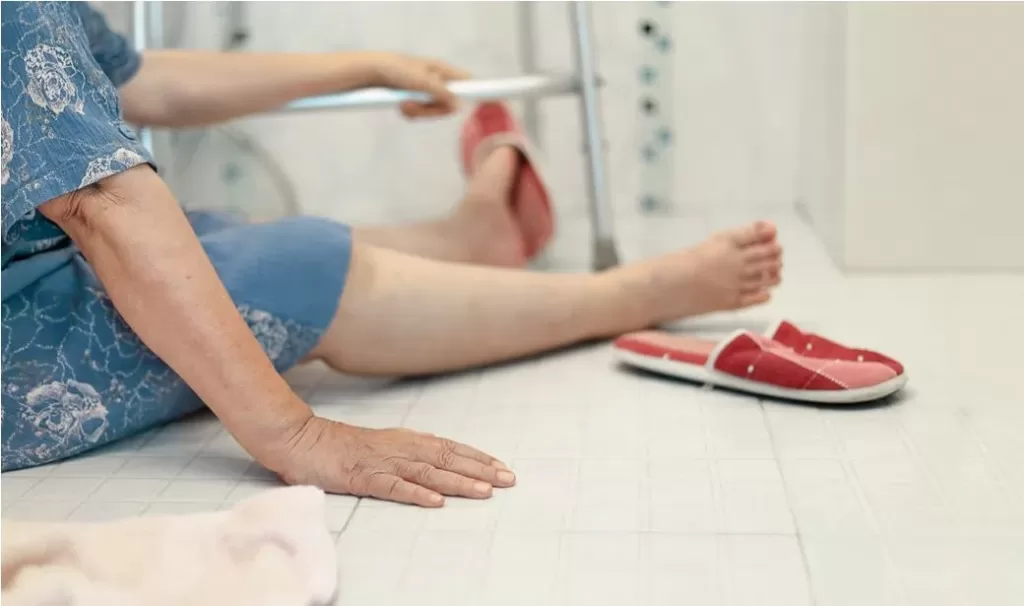
- Assist with transfer and mobility – Falls are a major risk to the health of older adults. Your loved one may have difficulty moving or transferring – from their bed in the morning, to a chair in the afternoon. As a caregiver, you can take steps to help prevent falls and help your loved one stay safe and confortable
Discover our in-house nursing services today. Explore more about us or visit our shop now.