
Following a stroke, survivors may have a wide range of abilities and limitations. Therefore, the level of care that caregivers may have to provide can vary widely.
The basics of how to care for a stroke patient at home remain the same: assist the survivor with daily tasks as needed, provide emotional support, and take steps to help promote recovery. It’s also important for caregivers to take preventative measures to avoid the medical complications that survivors may experience.
Understanding the Effects of a Stroke – Before addressing how to care for a stroke patient at home, it is essential to understand the potential effects stroke survivors may experience. A stroke occurs when the blood supply to or within the brain becomes compromised. This results in a lack of oxygen and essential nutrients being delivered, causing affected areas of the brain to become damaged.
Depending on the areas of the brain that sustain damage, survivors may experience a number of physical, cognitive, emotional, and behavioural changes. These effects can vary in severity, with some survivors experiencing mild effects, while others may have significant limitations requiring around-the-clock care.
Following hospitalization and a potential stay in a rehabilitation facility, many stroke survivors return home. While the survivor’s abilities may have improved, many still have functional limitations. With this in mind, it is essential for caregivers to have an understanding of how to care for a stroke patient at home in order to best support them.
Practical Compensatory Techniques – There are a number of techniques that caregivers and stroke survivors may use to complete their activities of daily living. Some of the most common include:
- In first, out last. Dressing the affected side of one’s body first and undressing it last can help make dressing more manageable for survivors and caregivers alike.
- Utilize adaptive equipment as needed. Occupational therapists will often recommend various types of adaptive equipment to increase independence with daily activities. This can not only reduce the caregiver’s burden but also improve the survivor’s self-confidence and outlook.
- Lighthouse method. Encourage survivors with one-sided neglect or visual field cuts to turn their heads fully to each side to scan their surroundings, as the light of a lighthouse scans. Doing so can allow survivors to not only increase awareness of their environment but also be more effective in completing daily tasks.
- Use reminder notes or pictures. For survivors experiencing cognitive challenges, family members and caregivers may find that using Post-it note reminders or pictures of daily activities can help survivors be more independent. For example, a post-it note could be used on the bathroom mirror to remind the survivor to brush their hair and teeth.
Preventative Care – Preventative care is another very important component of caring for a stroke patient at home. In addition to caring for the survivor’s everyday needs, family members and caregivers should:
- Ensure medications are being managed and administered appropriately, and always consult with a doctor before adding or changing any medications
- Monitor the survivor for any changes in their status, which may indicate a late-onset stroke effect or an adverse side effect of medication
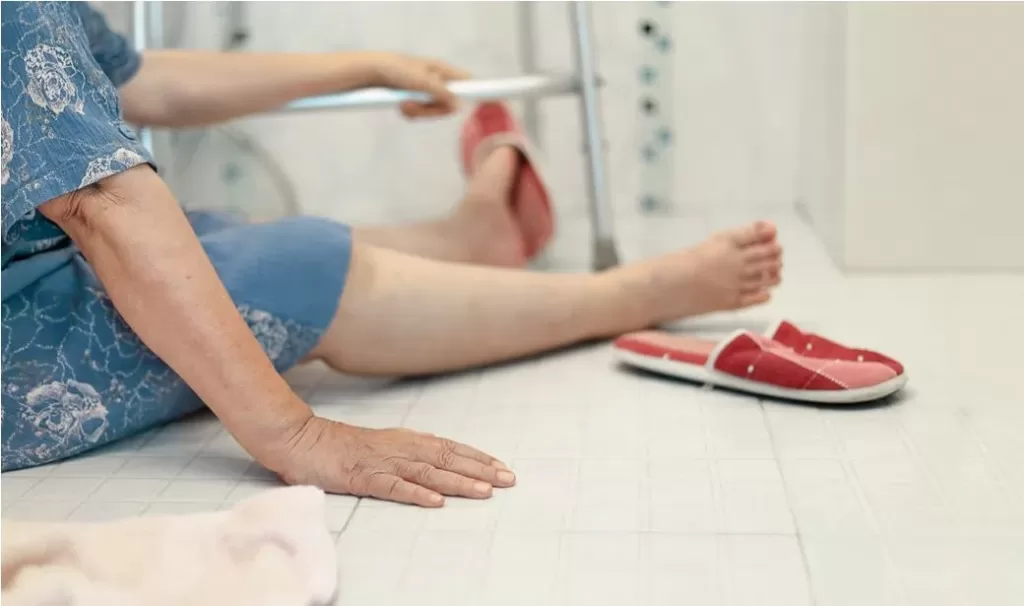
- Take measures to prevent falls, and seek medical attention if a fall does occur
- Promote healthy lifestyle changes, such as an improved diet and regular exercise, to reduce the risk of another stroke
Individuals caring for a stroke survivor at home should consistently keep safety concerns in mind. Family members and caregivers should ensure all medical documents are organized in a specific location and be proactive in order to minimize the risk of complications.
Encourage Daily Rehabilitative Exercise – Regularly practicing exercises and activities that involve use of one’s affected functions is essential for recovery. Many therapists provide survivors and caregivers with a home program that includes exercises tailored to the survivor’s needs. While this is an excellent place to start, any challenging but doable task can help promote neuroplasticity and boost recovery.
Discover our in-house nursing services today. Explore more about us or visit our shop now.