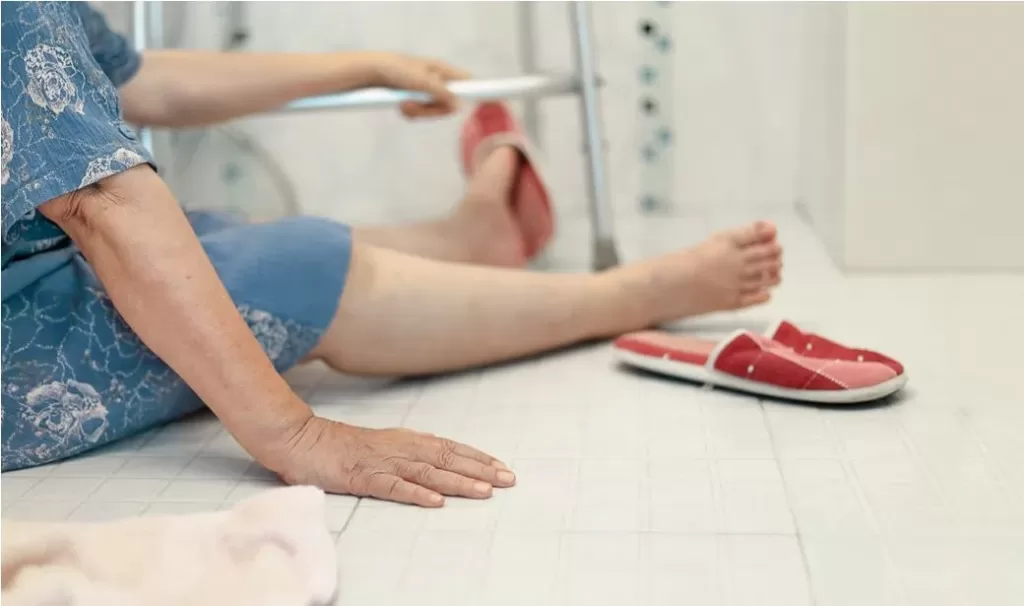

Safe Bathing and Toileting Support: Preventing Falls in the Bathroom
The bathroom is one of the most important areas of the home when caring for an older person, a frail adult, or someone recovering from illness or surgery.
It is also one of the highest-risk areas for slips and falls.
Wet floors, hard surfaces, poor lighting, low toilet seats, rushing, dizziness, weakness, and limited mobility can all make bathing and toileting difficult. For families, this can be stressful. You may want to respect your loved one’s privacy, but you may also worry about whether they are safe when they are alone in the bathroom.
At ER HomeCare, we understand that bathing and toileting support is not only about physical assistance. It is about safety, dignity, patience, privacy, and trust.
The goal is never to take away independence unnecessarily. The goal is to help the person remain as safe, clean, comfortable, and confident as possible.
Why Bathroom Falls Are So Serious
A fall in the bathroom can happen quickly.
An older person may slip while stepping into the shower. They may lose balance while standing from the toilet. They may become dizzy while bathing. They may reach for a towel rail, basin, door handle, or loose surface that cannot properly support their weight.
Because bathroom surfaces are often hard, a fall can lead to bruising, fractures, head injuries, fear of movement, loss of confidence, or hospitalisation.
After a fall, some people become afraid to bathe, walk alone, or use the toilet independently. This can affect hygiene, dignity, emotional wellbeing, and daily routine.
This is why bathroom safety should not be treated as a small issue. It should be part of the care plan.
Bathing Support Must Protect Dignity
Bathing is personal.
Many older people and adults needing care feel uncomfortable asking for help with washing, dressing, toileting, or continence care. They may feel embarrassed, frustrated, or afraid of losing independence.
Good care should never make a person feel exposed, rushed, ignored, or spoken down to.
Dignified bathing support means:
- Explaining before assisting
- Closing doors and curtains for privacy
- Using towels or gowns to keep the person covered where possible
- Allowing the person to do what they can independently
- Speaking respectfully
- Keeping the pace calm
- Checking water temperature
- Giving the person choice where possible
- Avoiding unnecessary exposure
- Helping without making the person feel helpless
The person receiving care should still feel like a person with preferences, not a task on a list.
When Bathing Becomes Unsafe
Families should take note when bathing starts to become difficult or risky.
Warning signs may include:
- The person avoids bathing
- They complain that the bathroom feels unsafe
- They struggle to get in or out of the bath or shower
- They hold onto unstable surfaces for support
- They feel dizzy or weak after standing
- They become very tired during personal care
- They have unexplained bruises
- They have slipped or nearly fallen
- They rush because standing is uncomfortable
- They struggle to wash properly
- They forget whether they have bathed
- They need more help with dressing afterwards
These signs do not mean the person has failed. They mean the bathroom routine may need to be adjusted.
It is better to add support early than to wait for a serious fall.
Toileting Support Is Also Fall Prevention
Toileting is often overlooked when families think about bathroom safety.
Many falls happen when a person is trying to get to the toilet quickly, especially at night. The person may be half asleep, weak, dizzy, or rushing because they fear an accident.
Toileting support may include:
- Helping the person get to the bathroom safely
- Making sure the route is clear
- Assisting with sitting and standing
- Allowing enough time
- Supporting hygiene afterwards
- Helping with clean clothing
- Managing continence products respectfully
- Checking that the person is comfortable before leaving
- Encouraging regular toileting routines where appropriate
This type of support must be handled with patience and respect. Toileting care is deeply private, and the person should never be shamed for needing assistance.
Bathroom Safety Starts With the Environment
A safer bathroom does not always require a full renovation. Small changes can make a meaningful difference.
Families can review:
- Is the floor slippery when wet?
- Is there enough lighting at night?
- Are towels, soap, clothing, and toiletries easy to reach?
- Is the bath or shower difficult to enter?
- Is the toilet too low?
- Are there loose mats on the floor?
- Is the person using towel rails or basins for support?
- Is there space for a caregiver to assist safely?
- Is there a chair or safe place to sit if the person gets tired?
The bathroom should support safe movement, not create extra risk.
Practical Ways to Reduce Fall Risk in the Bathroom
There are several practical steps families can consider.
These may include:
- Non-slip mats or strips in the shower or bath
- A stable shower chair or bath seat
- Grab rails near the toilet, bath, or shower
- Good lighting, especially at night
- A raised toilet seat if sitting and standing is difficult
- A handheld shower head where suitable
- Removing loose mats or clutter
- Keeping toiletries within easy reach
- Drying wet floors immediately
- Making sure the person wears safe, non-slip footwear
- Keeping a towel and clothing ready before bathing starts
- Allowing enough time so the person is not rushed
Grab rails should be properly installed and strong enough to support body weight. A towel rail is not a safety rail.
If the person has had falls, feels unsteady, uses a walking aid, has had surgery, has arthritis, lives with dementia, or struggles with transfers, families should consider asking a healthcare professional, occupational therapist, or relevant care professional for guidance.
Rushing Increases Risk
Rushing is one of the biggest safety problems during bathing and toileting.
When a person is rushed, they may move before they are ready, skip rest breaks, forget to hold onto support, or try to stand too quickly.
A calm routine can reduce stress and improve safety.
A safer bathing routine may include:
- Preparing the bathroom before the person enters
- Checking that the floor is dry
- Placing towels and clothing nearby
- Testing the water temperature
- Helping the person sit where needed
- Allowing rest breaks
- Supporting transfers slowly
- Drying feet properly before standing
- Making sure the person is warm and comfortable afterwards
Care should be paced around the person’s ability, not around the caregiver’s schedule.
Supporting Independence Where Possible
Bathroom support should not automatically mean doing everything for the person.
Where possible, the person should be encouraged to participate safely. This may include washing their face, choosing their clothing, brushing their hair, applying lotion, or assisting with small parts of the routine.
Independence can be protected through small choices.
The caregiver may assist with the difficult or risky parts while still allowing the person to do what they can manage safely.
This helps maintain confidence, dignity, and a sense of control.
Dementia, Confusion, and Bathroom Safety
For people living with dementia or confusion, bathing and toileting may become more complicated.
The person may forget the steps of bathing, become anxious about water, resist help, feel embarrassed, or become confused by instructions. They may also forget to ask for help when they need the toilet.
In these situations, calm communication is important.
Caregivers can help by:
- Keeping the routine familiar
- Using simple instructions
- Avoiding arguments
- Allowing extra time
- Keeping the bathroom warm and quiet
- Preparing items in advance
- Respecting privacy as much as possible
- Watching for signs of discomfort or distress
- Maintaining a regular toileting routine
The aim is to reduce fear and make the bathroom routine feel as safe and predictable as possible.
Night-Time Bathroom Safety
Night-time toileting can increase fall risk.
The person may wake up suddenly, feel disoriented, or try to walk in the dark. Medication, poor eyesight, weakness, and urgency can make this worse.
Families can improve night-time safety by:
- Keeping a clear path to the bathroom
- Using night lights in the bedroom, passage, and bathroom
- Keeping walking aids close to the bed
- Making sure slippers or footwear are safe
- Encouraging the person to sit before standing
- Using a call bell or phone nearby if appropriate
- Considering supervised toileting if the person is very unsteady
- Discussing continence concerns with a healthcare provider
No one should be left to struggle through an unsafe routine simply because toileting is a private matter.
Safety and dignity can work together.
What Caregivers Should Watch For
Caregivers and families should pay attention to changes that may increase bathroom risk.
These may include:
- New weakness
- Dizziness
- Confusion
- Recent falls or near-falls
- Pain when standing or walking
- Shortness of breath
- Fear of bathing
- Increased toilet urgency
- Medication changes
- Poor vision
- Swollen feet or balance problems
- Skin redness or pressure areas
- Reduced ability to clean properly
Changes should be communicated to the family and, where necessary, to the relevant healthcare provider.
Early action can help prevent a small concern from becoming a serious safety issue.
What Home Care Can Help With
Professional home care can make bathing and toileting routines safer and less stressful for both the person and the family.
Support may include:
- Bathing assistance
- Shower support
- Dressing and grooming assistance
- Toileting support
- Continence care
- Mobility assistance
- Transfer support
- Medication reminders
- Routine planning
- Monitoring changes in condition
- Communicating concerns to the family
- Providing companionship and reassurance
For families, this support can bring peace of mind. For the person receiving care, it can make personal care feel less frightening, less tiring, and more dignified.
When Families Should Ask for Extra Help
Families should consider home care support when:
- The person has fallen or nearly fallen in the bathroom
- Bathing has become stressful or unsafe
- The person avoids washing because they are afraid
- Toileting accidents are increasing
- The person needs help standing, sitting, or transferring
- Family members are uncomfortable or unsure how to assist
- The person becomes confused or distressed during personal care
- There are signs of poor hygiene or skin problems
- Night-time toileting has become risky
- The family caregiver is becoming overwhelmed
Asking for help is not a failure. It is a responsible step when the person’s safety, hygiene, and dignity need more structured support.
ER HomeCare Supports Safe and Dignified Personal Care
At ER HomeCare, we understand that bathing and toileting support requires more than practical assistance. It requires patience, respect, sensitivity, and trust.
Our caregivers assist with personal care in a way that protects dignity while supporting safety and routine.
We work with families to understand the person’s needs, abilities, preferences, and daily challenges. Whether your loved one needs light assistance, daily personal care, dementia support, post-operative support, respite care, or more structured home care, the right support can make a meaningful difference.
Bathroom falls can happen quickly, but many risks can be reduced with the right environment, routine, supervision, and care.
Older people and adults needing support deserve to feel safe in their own homes.
They also deserve to be treated with dignity in the most personal parts of daily life.
For guidance on professional home care support, contact ER HomeCare.
Phone: 079 316 5425
Email: lynn@erhomecare.co.za