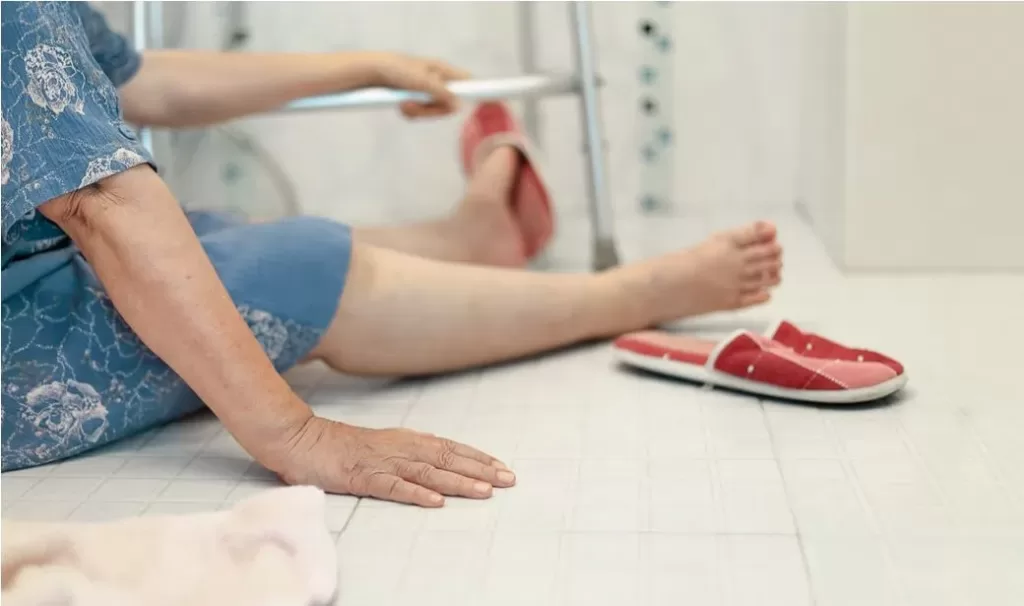
Did you know that falls are a leading cause of injury in seniors? Swipe to learn practical tips for creating a safe environment and preventing accidents. Your family’s safety matters!!
As we age, the fear of falling becomes more apparent, even amongst those who haven’t experienced it themselves. Older people begin to avoid activities that involve moving around, such as walking, shopping or other social events.
However, you shouldn’t let a fear of falling stop you from being active. Overcoming this fear can work wonders for mental well-being while helping you stay fit, maintain physical health and prevent any future falls.
Activities like getting together with friends, gardening or walking can all help you or a loved one keep healthy.
Remove Home Hazards
The easiest way to prevent falls is by keeping your home tidy. Removing clutter and any trip hazards – including old newspapers and magazines – will immediately make a home much safer to live in.
Be sure to examine every room, looking for items like loose carpets, loose rugs or wooden floorboards that are sticking up. You can then remove, repair or replace these items for better fall prevention. Slip resistant backing can be added to a rug to stop it from slipping.
Brighten Up Your Living Space
Poor lighting is another major hazard within a home. To start with, you should keep your home brightly lit as this will help avoid tripping on objects that are difficult to see. You should:
Place night lights in your bedroom, bathrooms and hallways
Place a lamp within easy reach of your bed
Make clear paths to light switches that aren’t near room entrances
Turn on any lights before going up or down stairs
Store torches in easy-to-locate places in case of a power outage
Stay Physically Active
Regular exercise improves muscle strength and keeps you fit. It’ll also help your joints, tendons and ligaments to stay flexible. Simple activities like walking or climbing stairs may slow bone loss from osteoporosis.
By also improving your balance and coordination (through physical activities approved by a health care provider), you or your loved one will be much less likely to fall.
Some physical therapists will create custom exercise programmes that are aimed at improving balance, flexibility and muscle strength.
Get Plenty of Sleep
If you’re sleepy, you’re much more likely to fall. There’s plenty of research that shows how sleep is a risk factor for falling, with a poorer quality of sleep being associated with a higher risk of falling.
Getting less sleep can cause slowed responses and difficulty concentrating, both of which can lead to an increased risk of falling.
Other items that can help with staying upright include:
* Handrails for both sides of stairways
* Nonslip treads for bare-wood steps
* A raised toilet seat or one with armrests
* Grab bars for the shower and bath
* A sturdy plastic seat for the shower and bath