
Care After Hospital Discharge: The First 72 Hours at Home
Coming home from hospital is often a relief. But for many families, it is also the moment when the responsibility for day-to-day care suddenly shifts from a medical team to the patient and the people supporting them at home.
The first 72 hours after hospital discharge can involve new medication, reduced mobility, wound or personal care, changes in appetite, follow-up appointments and instructions that may feel overwhelming once you are home.
A little preparation can make this transition calmer and more manageable.
Whether your loved one is returning home after surgery, an illness, an injury or a longer hospital stay, this family checklist can help you organise the first few days of recovery.
Before Leaving the Hospital
Whenever possible, start preparing before the patient leaves the hospital.
Make sure the family member who will be helping at home understands the discharge instructions. If anything is unclear, ask the hospital team to explain it before you leave.
You should know:
- What medication needs to be taken and when
- Whether any medication has been stopped or changed
- What level of activity is permitted
- Whether there are restrictions on lifting, walking, bathing or driving
- How wounds, dressings or medical equipment should be managed
- What the patient may eat and drink
- When follow-up appointments are scheduled
- Which symptoms require medical advice
- Who to contact if there is a concern after discharge
Keep the discharge documents together in one easily accessible place.
The aim is not for the family to become the medical team. It is to make sure everyone understands the recovery plan that the treating healthcare professionals have provided.
The First 24 Hours: Settle In and Get Organised
The first day at home should usually be about getting settled and establishing a safe routine.
Someone who has just left hospital may be tired, uncomfortable or weaker than the family expected. Even ordinary activities such as getting out of bed, walking to the bathroom, preparing food or changing clothes may take more effort.
Try not to expect the person to immediately return to their normal routine.
1. Organise Medication Immediately
Do not leave medication organisation until later.
Hospital admission and discharge can involve changes to medication, making it particularly important to understand exactly what should be taken once the patient returns home. The World Health Organization identifies transitions between hospital and home as an important area of medication safety. World Health Organization
Compare the discharge medication instructions with the medicines already available at home.
Check:
- Medication name
- Dose
- Time it should be taken
- Whether it should be taken with food
- What has been added
- What has changed
- What has been stopped
Do not restart old medication simply because it was part of the patient’s previous routine unless this agrees with the discharge instructions.
If anything appears inconsistent or unclear, contact the appropriate doctor, pharmacist or healthcare professional rather than guessing.
A written medication schedule or pill organiser may make the routine easier to follow. ER Home Care has also previously discussed the importance of maintaining medication routines in its guidance on diabetes management for seniors.
2. Make Moving Around the Home Safer
Mobility can change after a hospital stay.
Pain, weakness, medication effects or simply spending several days in bed can make someone less steady than they were before admission.
Before they start moving around independently, look at the routes they will use most often.
Remove loose rugs, electrical cords, clutter and unnecessary furniture from walkways. Make sure there is adequate lighting between the bedroom, bathroom and living areas.
Keep commonly used items within easy reach so that the person does not have to stretch, bend or climb unnecessarily.
If the discharge instructions require a walking aid or assistance when moving, follow those instructions.
Do not push someone to walk independently simply because they could do so before hospitalisation. Recovery should follow the guidance provided by their healthcare team.
3. Plan Meals, Fluids and Rest
Recovery takes energy.
For the first few days, keep meals manageable and follow any dietary instructions provided by the hospital or treating healthcare professional.
Make sure appropriate food and drinks are readily available so the patient does not need to prepare everything themselves.
Rest is equally important.
Try to create a comfortable recovery area with essentials nearby, including water, medication schedules, a phone, tissues and anything else the person regularly needs.
Unless the treating healthcare team has advised otherwise, recovery does not necessarily mean remaining in bed continuously. Follow the patient’s individual instructions regarding movement, rest and activity.
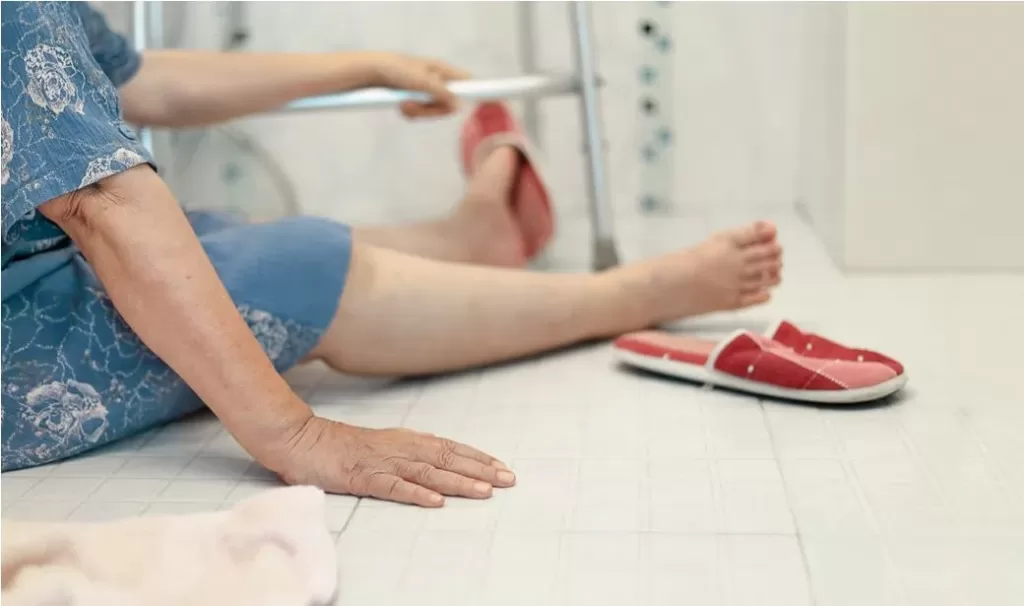
4. Make the Bathroom Safer
The bathroom can become one of the most challenging areas after discharge.
Getting on and off the toilet, stepping into a shower, standing for long periods and managing personal hygiene may suddenly be difficult.
For someone with reduced mobility, assistance may be required with:
- Bathing or showering
- Toileting
- Dressing
- Grooming
- Getting safely to and from the bathroom
Preserving dignity is important.
Ask before helping, explain what you are doing and encourage the person to do whatever they can safely manage themselves.
The objective is support rather than unnecessarily taking away independence.
Hours 24–48: Watch the Recovery Routine
Once the first day has passed, families often start getting a clearer picture of how much support is actually required.
This is a useful time to look at the entire routine rather than focusing on individual tasks.
Can your loved one get out of bed safely?
Can they reach the bathroom?
Are medications being taken correctly?
Are they eating and drinking according to their care instructions?
Can they manage basic personal care?
Are they comfortable being left alone?
Is the family member providing care becoming overwhelmed?
The answers help identify where additional support may be needed.
Keep an Eye on Changes
Families should know what the hospital or treating healthcare professional has told them to monitor.
The exact warning signs depend on the person’s condition, procedure and medical history, which is why their individual discharge instructions should always take priority over general advice online.
If something changes unexpectedly, seems significantly worse or falls within the warning signs listed in the discharge instructions, contact the appropriate healthcare professional.
For an emergency, seek emergency medical assistance.
Do not wait for a caregiver or family member to diagnose a medical problem.
Keep Infection-Control Routines Simple
Someone recovering from surgery or illness may require extra attention to hygiene.
Regular handwashing, keeping frequently touched surfaces clean, handling laundry appropriately and maintaining a clean recovery environment are practical measures families can incorporate into everyday care.
ER Home Care’s guide to simple infection control at home provides additional practical routines for families supporting someone at home.
Any wound or dressing care should follow the specific instructions given by the healthcare team.
Hours 48–72: Decide Whether the Current Support Is Sustainable
By the second or third day, the immediate rush of coming home has usually passed.
This is when families should assess whether the care arrangement is genuinely sustainable.
A family member may be able to help for the first evening or take a day away from work. That does not necessarily mean they can continue providing the same level of support for several weeks.
Consider what the patient actually needs each day.
It might include assistance with personal care, meal support, mobility, medication reminders, companionship, monitoring general wellbeing or simply having another person present while strength and confidence return.
Professional home care can help bridge the gap between leaving hospital and becoming more independent at home.
ER Home Care provides personalised in-home support for elderly, convalescing and post-operative clients. ER Home Care
A Simple 72-Hour Family Checklist
During the first three days at home, make sure you have addressed the basics:
Medication: Do we understand the current medication instructions and have a reliable schedule?
Mobility: Can our loved one move safely around the areas of the home they need to use?
Meals and fluids: Do we have appropriate food and drinks available according to their instructions?
Personal care: Can they safely manage bathing, dressing, grooming and toileting, or do they require assistance?
Home safety: Have we removed obvious obstacles and made frequently used areas easier to access?
Recovery instructions: Do we understand the instructions provided at discharge?
Follow-up care: Are appointments, prescriptions and other follow-up requirements organised?
Warning signs: Does the family know what symptoms the healthcare team has instructed them to watch for and who to contact?
Support: Is the current family care arrangement realistic for the days or weeks ahead?
You Don’t Have to Manage the Transition Alone
Hospital discharge is a positive step, but recovery does not end when someone walks out of the hospital.
For some people, the first few days at home are when practical support matters most.
ER Home Care supports families after hospital discharge with personalised home care based on the individual’s needs and circumstances.
Our services support families in Edenvale, Johannesburg, Pretoria, Ekurhuleni, Mbombela and surrounding service areas.
Families looking for care in Edenvale can learn more about home caregivers in Edenvale, or contact ER Home Care to discuss the level of assistance your loved one may need after leaving hospital.
A calmer transition starts with a clear plan, the right support and knowing that the family does not have to manage every part of recovery alone.