
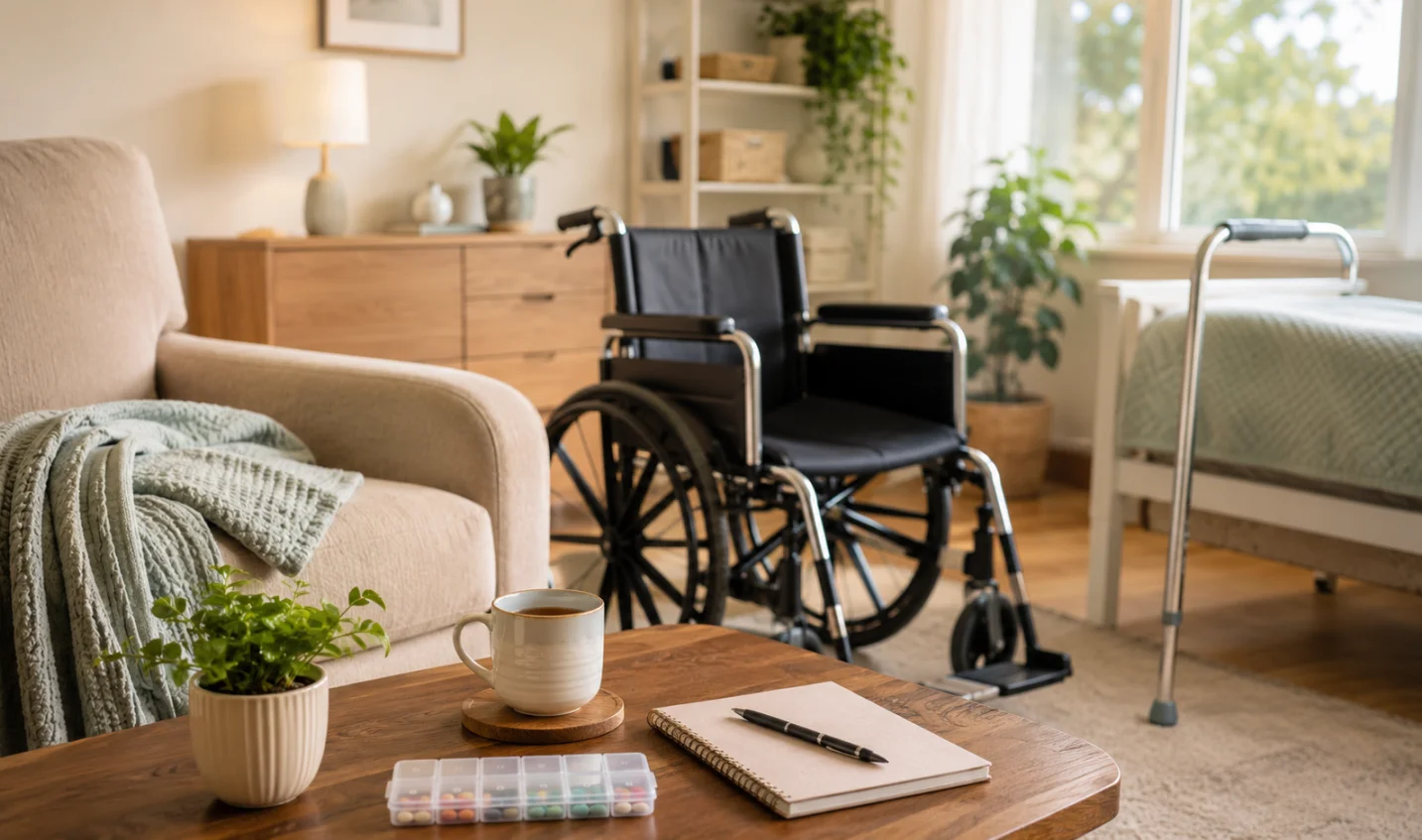
Home Care for Adults With Disabilities: Dignified Personal Care and Routine Design
Living with a disability does not remove a person’s need for independence, privacy, choice, routine, or dignity.
For many adults with disabilities, home is the safest and most familiar place to receive support. The right care at home can make daily life more manageable, reduce pressure on family members, and help the person continue living with as much independence and confidence as possible.
At ER HomeCare, we understand that disability care is not about taking over a person’s life. It is about providing the right support, in the right way, while respecting the person’s abilities, preferences, pace, and personal space.
Every adult deserves to be treated as an individual, not as a diagnosis.
What Does Home Care for Adults With Disabilities Include?
Home care for adults with disabilities can include practical daily support, personal care, companionship, mobility assistance, routine planning, and help with activities that may have become difficult to manage alone.
The level of care depends on the person’s needs.
Some adults may need light assistance for a few hours a day. Others may need more structured daily support, overnight care, or live-in care.
Support may include:
Personal hygiene assistance
Bathing, dressing, and grooming support
Mobility support around the home
Meal preparation and feeding assistance where needed
Medication reminders
Toileting and continence support
Companionship and emotional support
Light household support related to daily care
Assistance with daily routines
Support with appointments and communication
Monitoring general wellbeing and reporting concerns to the family
The goal is not only to complete tasks. The goal is to help the person feel safe, respected, comfortable, and included in their own care.
Dignity Comes First
Personal care is deeply private.
Assistance with bathing, dressing, toileting, or grooming must always be handled with respect. Adults with disabilities should not be spoken to like children, rushed unnecessarily, ignored, or made to feel like a burden.
Dignified care means asking before assisting. It means explaining what is happening. It means giving the person time to respond, move, decide, and participate where possible.
Even when a person needs full physical assistance, they still have the right to privacy, preference, and respect.
Small things matter:
Closing the door during personal care
Using respectful language
Offering clothing choices
Allowing the person to do what they can independently
Keeping routines calm and unrushed
Listening when something feels uncomfortable
Protecting the person’s privacy in front of visitors or family
Good care should protect confidence, not reduce it.
Why Routine Matters
A clear routine can make daily life safer and less stressful.
For adults with disabilities, routine may help with energy levels, mobility, medication timing, meals, hygiene, rest, communication, and emotional stability. When the day is predictable, the person may feel more secure and less overwhelmed.
Routine is also useful for families and caregivers. It helps everyone understand what needs to happen, when it should happen, and how the person prefers it to be done.
A good routine may include:
Morning hygiene and dressing
Breakfast and medication reminders
Mobility or movement support
Rest periods
Meal and hydration times
Appointments or therapy schedules
Personal interests or hobbies
Family communication
Evening care
Sleep preparation
Routine should not feel like control. It should feel like support.
The best routine is flexible enough to respect the person’s mood, energy, choices, and daily changes.
Care Should Be Built Around the Person
No two people with disabilities are the same.
One person may need help with mobility but be fully independent in communication and decision-making. Another person may need support with personal care, meals, and reminders. Someone else may need calm, structured care because changes in routine cause distress.
This is why home care should be designed around the individual.
Before care starts, families should consider:
What can the person do independently?
Where do they need assistance?
What routines already work well?
What makes them anxious or uncomfortable?
How do they prefer to communicate?
What are their personal boundaries?
What are their likes, dislikes, and daily habits?
What safety risks exist in the home?
Who should be contacted if something changes?
Care is more effective when the caregiver understands the person, not only the task list.
Supporting Independence Without Ignoring Safety
Families sometimes struggle to find the balance between protecting a loved one and allowing independence.
Too little support can create risk. Too much support can make the person feel controlled or powerless.
The right care plan should support independence where possible and provide help where needed.
This may mean allowing the person to choose their clothes, assist with grooming, help prepare part of a meal, decide when to rest, or take part in small daily activities that give them a sense of purpose.
Independence does not always mean doing everything alone. Sometimes it means being included in decisions and doing what is still possible, safely.
Reducing Pressure on Family Caregivers
Caring for an adult with a disability can be emotionally and physically demanding.
Family members often take on the role out of love, but over time they may become tired, overwhelmed, or unsure whether they are doing enough. This can affect work, relationships, sleep, and emotional wellbeing.
Asking for professional home care support is not a sign of failure.
It can help the family create a safer, more stable care environment. It can also give family members the space to rest, work, manage other responsibilities, or simply spend time with their loved one without every interaction being about care tasks.
Support can be arranged according to the family’s needs, whether that is part-time assistance, respite care, daily support, overnight care, or live-in care.
Creating a Safer Home Environment
A safe home environment is an important part of disability care.
Small changes can reduce the risk of falls, discomfort, confusion, or unnecessary strain.
Families may need to consider:
Clear walking paths
Stable furniture
Good lighting
Bathroom safety
Easy access to frequently used items
Safe storage of medication
A comfortable place to rest
Clean bedding and hygiene supplies
Emergency contact details
A simple daily care record
The home should support the person’s abilities as much as possible.
Where there are higher care needs, the family may also need guidance from medical professionals, therapists, or other relevant healthcare providers.
Communication Is Part of Care
Good care depends on communication.
This includes communication with the person receiving care, their family, and any healthcare professionals involved.
The caregiver should understand how the person communicates. Some adults may speak clearly. Others may use gestures, short responses, assistive devices, facial expressions, or routine-based communication.
Care should never assume that a person has nothing to say simply because they communicate differently.
Families should also be kept informed about important changes, such as:
Changes in appetite
Changes in mood
Skin concerns
Mobility changes
Missed medication
Pain or discomfort
Sleep changes
Signs of infection or illness
Increased confusion or distress
Early communication can help prevent small concerns from becoming bigger problems.
What Home Care Does Not Replace
Home care can provide important daily support, but it does not replace medical diagnosis, emergency care, specialist treatment, therapy, or nursing care where those services are required.
If the person has medical needs, the care plan should be guided by the appropriate healthcare professionals.
If there is sudden illness, injury, severe pain, breathing difficulty, major confusion, or any emergency concern, families should contact emergency services or a medical professional immediately.
Home care works best when it forms part of a wider support system.
When to Consider Home Care Support
Families may consider home care support when:
Daily personal care is becoming difficult
The person is spending long periods alone
Family caregivers are overwhelmed
Falls or safety concerns are increasing
Medication routines are being missed
The person needs help with bathing, dressing, or meals
Recovery from illness or surgery is more difficult than expected
The home routine has become stressful or disorganised
The person needs companionship and supervision
The family wants support while keeping their loved one at home
The earlier support is arranged, the easier it is to create a stable routine.
Waiting until the family is exhausted or the person is unsafe can make the transition more difficult.
ER HomeCare Supports Dignified Care at Home
At ER HomeCare, we believe disability care should be respectful, practical, and person-centred.
Our caregivers assist with daily care while protecting the person’s dignity, comfort, and routine. We work with families to understand the person’s needs and provide support that fits into the home environment.
Whether your loved one needs personal care, companionship, mobility assistance, respite care, or a more structured daily routine, professional home care can help bring stability and reassurance.
Adults with disabilities deserve care that supports their safety without taking away their voice.
They deserve help that respects who they are.
For guidance on professional home care support, contact ER HomeCare.
Phone: 079 316 5425
Email: lynn@erhomecare.co.za