
A gentle, practical guide to steady recovery at home
“Small steps every day add up to big change.”
The first two weeks after a knee replacement can feel like a strange mix of relief and vulnerability. You’ve taken a big step toward better mobility — but now everything is slower, effortful, and unfamiliar.
If you’re supporting a loved one through this recovery, here’s the reassuring truth: most progress in the first 14 days doesn’t come from doing more. It comes from doing the right basics, consistently — with patience, safety, and support.
This guide is here to help you feel calmer and more prepared, day by day. It doesn’t replace your doctor or physio plan. It simply helps you manage home recovery in a way that’s steady and realistic.
What matters most in the first 14 days
In this early stage, recovery is less about “pushing through” and more about settling into a supportive rhythm.
You’re aiming for three things:
- Comfort that allows movement
- Safety that prevents setbacks
- Consistency that builds confidence
That’s it. Not perfection. Not speed. Just steady progress.
Before coming home: set up for ease, not strain
A warm, safe home environment can take pressure off everyone — especially in the first few days.
A simple home setup checklist
- Clear walking paths (remove loose rugs, cords, clutter)
- A sturdy chair with arms (to sit and stand safely)
- Good lighting (especially at night)
- Frequently used items within reach (water, phone charger, medication list)
- A “recovery corner” so your loved one isn’t constantly getting up
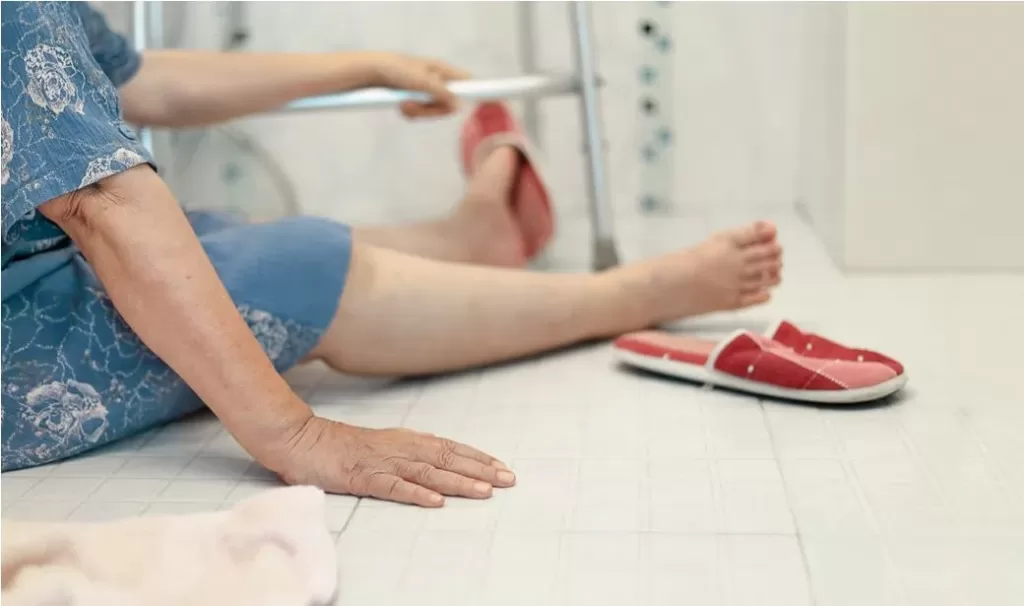
Bathroom support matters more than people expect
The bathroom is where many families feel the most stress early on.
Helpful basics:
- Non-slip mat
- Shower chair if balance is uncertain
- Clear pathway with lights for night visits
- A plan for safe toileting (especially when pain or dizziness is present)
You don’t need a perfect setup — you need a safer one than yesterday.
Days 1–3: gentle stability is the goal
These first few days at home are often the most emotionally intense. The body is healing. Pain levels fluctuate. Sleep is disrupted. Confidence is fragile.
So the goal is not “getting back to normal.”
The goal is stabilising the day.
What “good” looks like in Days 1–3
- Pain is managed enough to allow safe movement (not necessarily “no pain”)
- Short, supported walking happens regularly
- Prescribed exercises are done gently and consistently
- Meals and hydration are steady (even small amounts)
- Bathroom support is safe and calm
- The home stays quiet and predictable
One important reminder
Many people try to be brave by delaying help. But early recovery is not the time to prove toughness. It’s the time to protect healing and build confidence.
Days 4–7, consistency becomes the recovery tool
By the end of the first week, something important happens: life around the patient starts moving again. Family members return to work, errands pick up, visitors arrive, and the home routine gets noisy.
This is when small gaps begin to show.
So week one isn’t only physical recovery — it’s routine recovery.
What to keep steady in Days 4–7
- The walking and exercise plan stays consistent
- The home remains clear and safe
- Medication timing stays reliable
- Hydration and meals don’t drop off
- Bathroom routines stay supported (no risky solo attempts)
In most recoveries, consistency is the quiet difference between “gradually better” and “suddenly stuck.”
Days 8–14: confidence increases — stay gently wise
Week two often brings a boost in confidence. Your loved one may feel more independent and eager to do more.
That’s a good sign — but it’s also when people sometimes overdo it too quickly.
A calm approach for week two
Encourage independence, but keep the basics in place:
- Safe walking support as needed
- Keep the home environment clear and stable
- Continue prescribed exercises
- Pace activity (several small efforts are better than one exhausting push)
- Monitor swelling and pain trends (gradual improvement is the goal)
This stage is about building confidence without rushing the body’s timeline.
What to watch for: when it’s time to call the doctor
It’s reassuring to know what’s normal — and what isn’t.
Contact a medical professional urgently if you notice:
- Fever or chills
- Increasing redness, heat, or discharge around the wound
- Sudden worsening pain that doesn’t settle
- Calf pain/swelling/warmth
- Shortness of breath or chest pain
- A fall (even if the knee seems “fine”)
When families check early, problems are often easier to resolve. Waiting rarely helps.
Where home care support makes recovery feel easier
Families often think they need “more information.”
What they usually need is steady hands and calm support during the vulnerable moments.
Home care support can help with:
- Safe walking and transfers (bed, chair, bathroom)
- Bathing and toileting support with dignity
- Meal and hydration encouragement
- Keeping routines consistent when family can’t be there all day
- Light home support that keeps the environment calm and manageable
It’s not about taking over. It’s about easing pressure — so recovery stays sustainable.
A gentle daily rhythm you can follow
You don’t need strict schedules. You need a pattern your household can repeat.
Morning
- Medication as prescribed
- Light meal + water
- Short walk + exercises
- Rest and comfort routine (as advised)
Midday
- Meal + fluids
- Short walk + movement
- Rest
Afternoon
- Exercises
- Wash-up/bathroom support if needed
- Rest
Evening
- Light meal
- Set up safe night routine (lights, clear path, phone nearby)
A steady rhythm builds safety, confidence, and progress — one day at a time.
A final word of reassurance
Recovery can feel slow — but slow is not failure.
It’s healing.
The first 14 days are about building a supportive routine that keeps your loved one safe and steadily moving forward. Small steps done consistently are often what create the best long-term outcomes.
If your family needs extra support during this recovery period, ER Home Care is here to help with calm, respectful in-home care.
📞 079 316 5425
✉️ lynn@erhomecare.co.za
🌐 www.erhomecare.co.za