
For caregivers supporting an ageing loved one who experiences anxiety, it can be stressful to find effective ways to help them calm down. Having a variety of tools and activities to draw from can make a meaningful difference.
Below is a list of simple, practical activities that may help reduce anxiety and promote a sense of comfort and safety.
1. Listen to music
Music is a powerful tool for regulating mood and reducing stress. Studies show that listening to classical music can improve sleep quality and reduce symptoms of depression.
Many caregivers find that familiar or meaningful music, such as spiritual or cultural songs, has a calming effect. For example, one caregiver noticed her loved one relaxed when listening to bagpipes — a sound connected to childhood memories.
2. Pray
For older adults who value faith, praying together can be a deeply calming experience. Research comparing secular and spiritual meditation found that those who practised spiritual meditation experienced greater reductions in anxiety and stress, along with improved mood.
3. Exercise
Research has shown that even five minutes of aerobic exercise can trigger anti-anxiety effects. Activities such as walking, dancing to music, or gentle stretching can help calm both the body and mind.
4. Walk outside
When anxiety increases, stepping outside for fresh air can be very beneficial. Studies have found that older adults who spend time in green or blue outdoor spaces — such as parks, gardens, rivers, or streams — experience feelings of renewal and restoration.
Even simple sensory experiences, like hearing water flow or a bee buzzing, can positively impact overall wellbeing.
5. Share a treat or favourite food
Comfort foods can have a powerful calming effect. One caregiver shared that ice cream works “like a charm” when her loved one feels anxious, while another swears by chocolate pudding.
Never underestimate the comfort that a warm bowl of soup or a familiar favourite meal can provide.
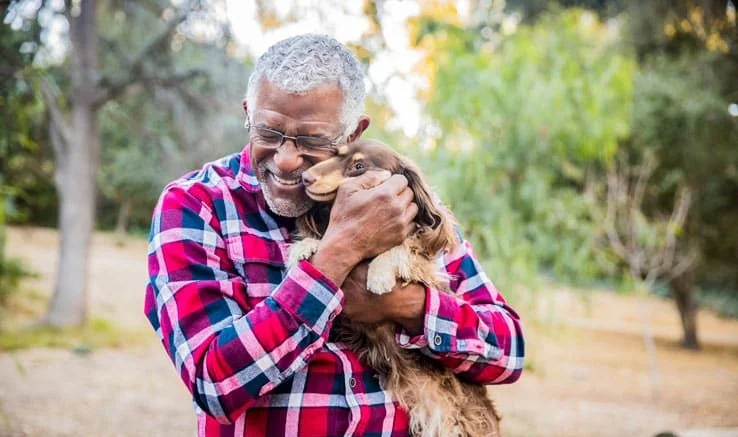
6. Spend time with a pet
Pets can help lower blood pressure and heart rate, reduce stress hormones, and increase serotonin — the body’s natural mood booster.
Even if it is not their own pet, studies show that interacting with animals can have therapeutic benefits for older adults.
7. Go for a drive
Caregivers often find that going for a drive helps calm anxious older adults. Whether it is the gentle motion, the change of scenery, or the soothing sound of the engine, a short drive can offer comfort and distraction.
8. Share something familiar
Familiar books, movies, or stories from the past can be incredibly soothing. Many caregivers find that reading favourite children’s books or reciting nursery rhymes helps ease anxiety.
9. Offer a security object
A comforting object can provide reassurance during moments of anxiety. For one caregiver, a baby doll helped her mother feel calm by reminding her of caring for her grandchildren. For another, a warm blanket offered a sense of security.
10. Share memories
Revisiting happy memories can have a calming effect. Looking through photo albums, greeting cards, or letters — or talking about positive childhood experiences — can help redirect anxious thoughts.
11. Promote physical contact
Human touch is incredibly powerful. A gentle hug, hand massage, or brushing your loved one’s hair can provide comfort and reassurance during anxious moments.
12. Have a conversation
The type of conversation will depend on the level of anxiety. It may be light-hearted chit-chat or sharing a few jokes to encourage a smile, or it may involve calmly explaining facts and offering reassurance.
Regardless of the approach, the goal is always the same: to help the older adult feel safe, loved, and reassured that they do not need to worry.