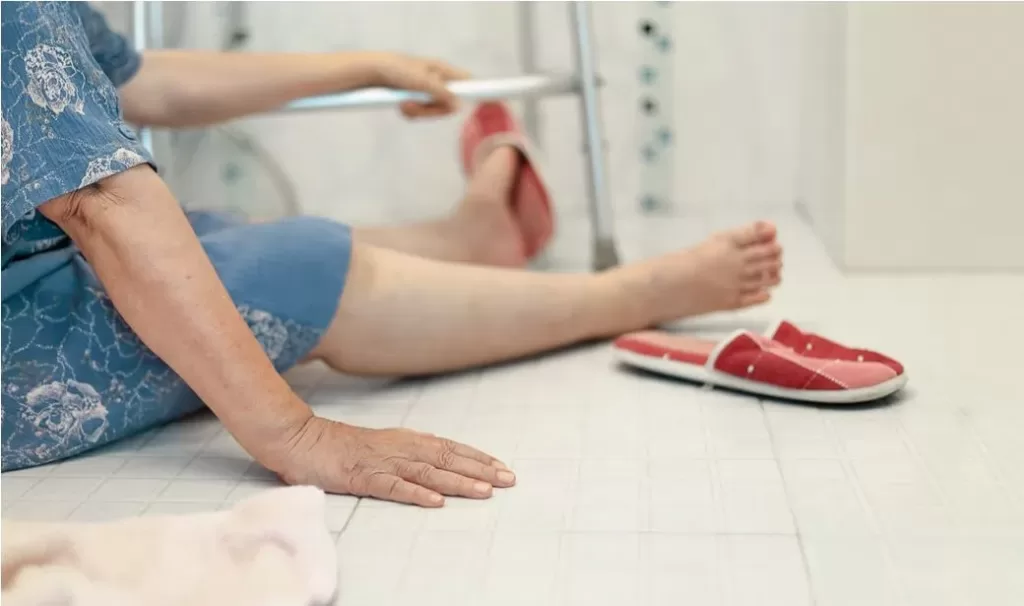
As your loved ones grow older, it is natural to feel more concerned about their safety and overall well-being. Ageing brings many changes, particularly physical changes that can cause the body to become frail and weaker over time.
These physical changes are often accompanied by emotional and psychological shifts, as well as increased physical risks such as recurrent falls. One serious consequence associated with ageing and osteoporosis is hip fractures, which can have devastating outcomes. These may include reduced independence, decreased functional capacity, institutionalisation, and in severe cases, even death.
The good news is that there are ways to prevent injuries and protect your loved ones from further harm. Safety starts at home, and with the right adjustments, a living space can be made much safer for older adults.
Fortunately, there are several practical steps you can take to ensure your home is elderly-friendly.
Home Safety Tips
1. Ensure your home is well-lit
Having a well-lit home is important for everyone, but especially for older adults. Identify dark areas in your home and install additional light fittings or ensure light flows in from nearby spaces.
Make sure light switches are easy to find and within reach. If switches are difficult to locate in the dark, consider leaving bathroom lights on at night, particularly in bathrooms frequently used by older adults. Installing motion-sensor lights outside can also be helpful, as they turn on automatically without the need to fumble for switches.
2. Place skid-proof mats in the bathroom
Bathrooms are high-risk areas for slips and falls. Improve safety by installing grab or handle bars in the shower and bathtub, and place rubber, non-slip mats on all slippery surfaces.
If there is no bathtub, consider using a slip-proof shower stool. Ensure the shower entrance is wide enough to allow easy and safe movement.
3. Keep floors clean and uncluttered
Keep walking areas clear of clutter such as electrical cords, newspapers, books, magazines, and children’s or pets’ toys.
Designate specific storage spaces for toys and magazines, and secure electrical cords against walls or floors whenever possible. Removing unnecessary furniture and keeping walkways clear will significantly reduce the risk of tripping.
4. Remove or secure rugs
Loose or curling rugs can be hazardous for both children and older adults. Replace or remove rugs if the edges start to lift.
If you choose to keep rugs, make sure they are slip-proof and not positioned in main walking areas. Rugs are best placed under furniture such as coffee tables, rather than in hallways or pathways. The fewer obstacles there are underfoot, the lower the risk of injury.
5. Install handrails
If your home has stairs, both indoors and outdoors, ensure sturdy handrails are installed. These should be firmly attached and run the full length of the staircase, from bottom to top.
Making your home a safe haven for yourself or preparing a home for ageing loved ones can feel overwhelming. You do not have to do it alone.
Involve other family members where possible, and consider seeking assistance from qualified home care professionals to help ease the burden and ensure peace of mind.