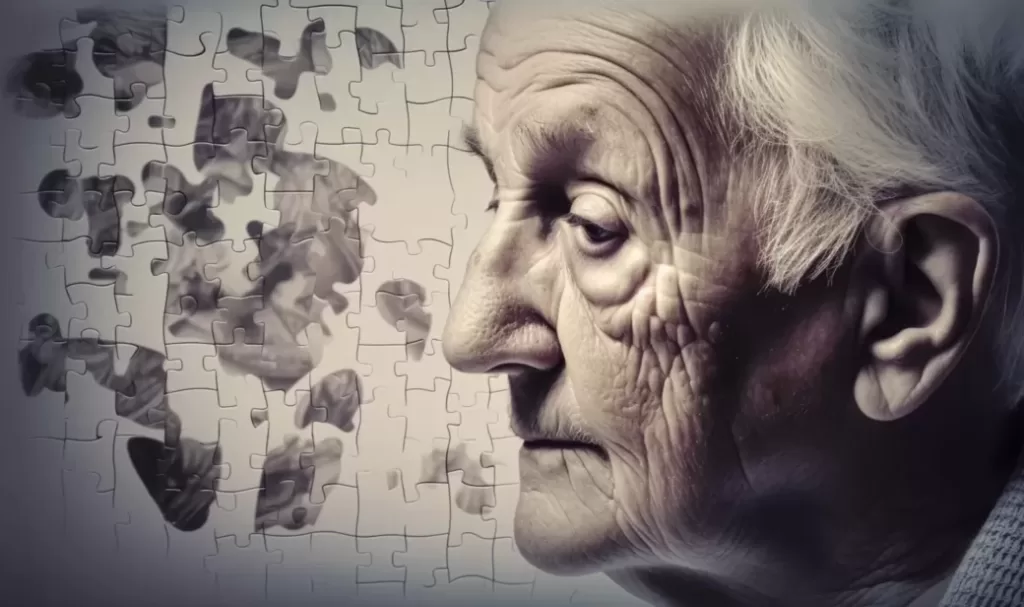
Dementia is not a normal part of aging. It includes the loss of cognitive functioning — thinking, remembering, learning, and reasoning — and behavioral abilities to the extent that it interferes with a person’s quality of life and activities. Memory loss, though common, is not the only sign of dementia.
As we age, our cognitive abilities decline gradually, but the dementias are a fork off that path. Determining whether mild symptoms are due to normal ageing, mild cognitive impairment (MCI) or a progressive disease is difficult; a person may have the underlying biology of dementia, but not exhibit obvious symptoms.
Dementia is a complex health problem, both because of the sheer number of underlying conditions that can cause it (more than 50) and because of its direct and indirect impact on people and the health system and the fact that at present there is no cure for any form of dementia.
So what is dementia?
Dementia is not a single disease, but an umbrella term describing a collection of symptoms from a range of conditions that cause parts of the brain to deteriorate progressively. Dementia affects functions such as memory, perception, behaviour, language, and personality.
There are more than 50 conditions known to cause the symptoms of dementia. Alzheimer’s disease is the most common, accounting for about 60-70% of cases. Other common types are vascular dementia, frontotemporal dementia, and dementia with Lewy bodies. Huntington’s disease, and prion diseases like mad cow, as well as stroke, head injuries and disorders of excessive alcohol consumption can also cause dementia.
The story is further complicated by the fact that about a third of people with dementia have more than one underlying cause. As age increases, having combined forms or ‘mixed dementia’ becomes more common.
Ageing dementia is one of the most pressing health problems. Alzheimer’s affects more than two-thirds of dementia patients.
What is the cause?
Dementia is caused by neurodegeneration – the damage and death of the brain’s neurons. Depending on the types of neurons and brain regions affected, the form of dementia differs. For instance, frontotemporal dementia mainly affects the frontal and temporal lobes, whereas Lewy body dementia affects part of the frontal lobe and the motor cortex. In the brains of patients with advanced Alzheimer’s, there is widespread degeneration, and damage to the hippocampus – a part of the brain essential to memory formation, and which produces new neurons. The loss of brain tissue results in a shrunken brain, enlarged ventricles and more space between the folds.
Most disorders associated with dementia are progressive, degenerative and irreversible. Some causes are treatable, including head injury, brain tumours, infections (e.g. meningitis), hormone and metabolic disorders, hypoxia, drug abuse and alcoholism.
Signs and Symptoms
Dementia symptoms usually develop gradually. Often the earliest signs are recognised in hindsight because they’re mistaken for signs of normal ageing.
The first signs of dementia may vary depending on the type. For instance, memory loss, apathy and depression are common early signs of Alzheimer’s disease, whereas impaired judgement and organisational skills are often early signs of vascular dementia. People in early stages of dementia with Lewy bodies will often display memory loss, sleeplessness and visual hallucinations. Frontotemporal dementia typically causes changes to personality, language and behaviour first.
Some common signs and symptoms. If two or more of these are affecting daily life, it may be time to see a doctor:
*Recent memory loss that affects job skills
*Difficulty performing familiar tasks
*Problems with language
*Disorientation of time and place
*Poor or decreased judgement
*Problems with abstract thinking
*Misplacing things
*Changes in mood or behaviour
*Changes in personality
*Loss of initiative