The human body consists of approximately 60% water. Water is vital in helping the body function properly and is largely responsible for dissolving nutrients and eliminating waste. When the body fails to eliminate excess water, this is referred to as water retention. Water retention is often temporary and is easily treated, however, it can sometimes be an indication of a serious medical condition. If you are experiencing water retention that lasts more than a week, it is important to consult with your physician in order to determine the cause of water retention and rule out any possible health conditions. In cases where water retention is not the result of a serious medical condition, the discomfort of edemacan be relieved quickly and easily. Discover tips for reducing water retention and find out how the condition is diagnosed. Fluid retention or edema means that there is excessive water in the tissue of the body which causes the body to swell, especially in the extremities. Fluid retention is often caused by the increase of blood pressure on the veins which adds to the pressure on the capillaries. The irregular changes in the blood vessels are often associated with eating habits.
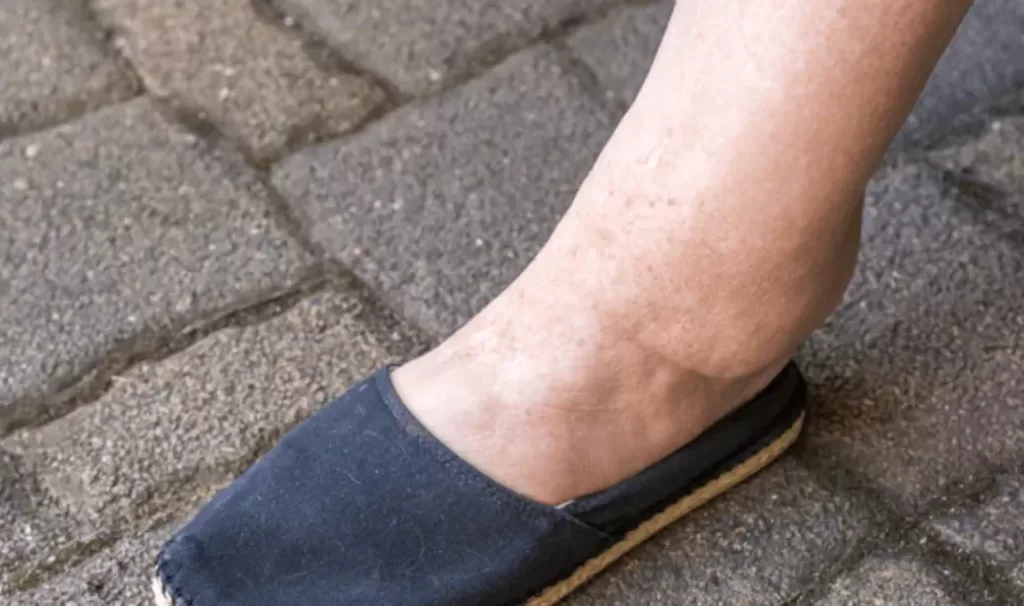
One way to find out if you are retaining water is by gently pressing the foot, ankle or calf with slow, steady pressure using the thumb. If edema is present, an indentation will show on the skin. A professional evaluation to determine the cause of leg swelling is still necessary, however.
It is possible to retain up to 5 pounds of water weight, most of which is stored in the fluid that surrounds the cells throughout the body. Overweight people tend to retain more water because they consume more calories and as a result, tend to consume higher amounts of sodium which greatly contributes to water retention.
Certain types of edema can result in moderate discomfort in the area where excess fluid accumulation occurs. Carpal tunnel syndrome, morning stiffness and headaches may accompany the swelling. Water retention can also be mistaken for premenstrual syndrome or make existing premenstrual syndrome worse.
Some people’s bodies also react poorly to certain type of foods which tend to increase water retention. Water retention is also linked to protein deficiency, anemia, and the high requirement for vitamin and supplement intake.
Discover our in-house nursing services today. Explore more about us or visit our shop now.