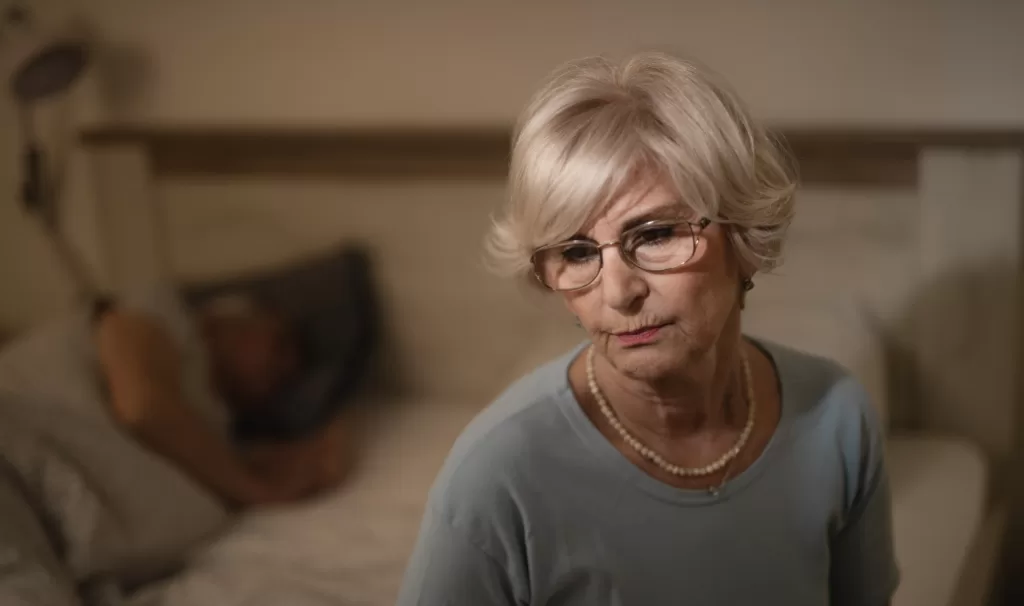
If what’s considered to be “normal grieving” does not occur, or if the grieving goes on for a long time without any progress, it’s called “complicated grief” or “unresolved grief.”
Symptoms of complicated grief might include:
- Continued disbelief in the death of the loved one, or emotional numbness over the loss
- Inability to accept the death
- Feeling preoccupied with the loved one or how they died
- Intense sorrow and emotional pain, sometimes including bitterness or anger
- Unable to enjoy good memories about the loved one
- Blaming oneself for the death
- Wishing to die to be with the loved one
- Excessively avoiding reminders of their loss
- Continuous yearning and longing for the deceased
- Feeling alone, detached from others, or distrustful of others since the death
- Trouble pursuing interests or planning for the future after the death of the loved one
- Feeling that life is meaningless or empty without the loved one
- Loss of identity or purpose in life, feeling like part of themselves died with the loved one
For some people taking care of a loved one with a long-term illness, complicated grief can start while their loved one is still alive. Caregivers under severe stress, especially if the outlook is bleak, may be at higher risk of having abnormal grief even before death.
If you or anyone close to the deceased has any of the symptoms of complicated grief, talk with a health care provider or mental health professional. Certain kinds of mental health treatment have been shown to help people with complicated grief. Treatment is important since people with complicated grief are at risk of their emotional illness worsening and are at higher risk of committing suicide.
Discover our in-house nursing services today. Explore more about us or visit our shop now.