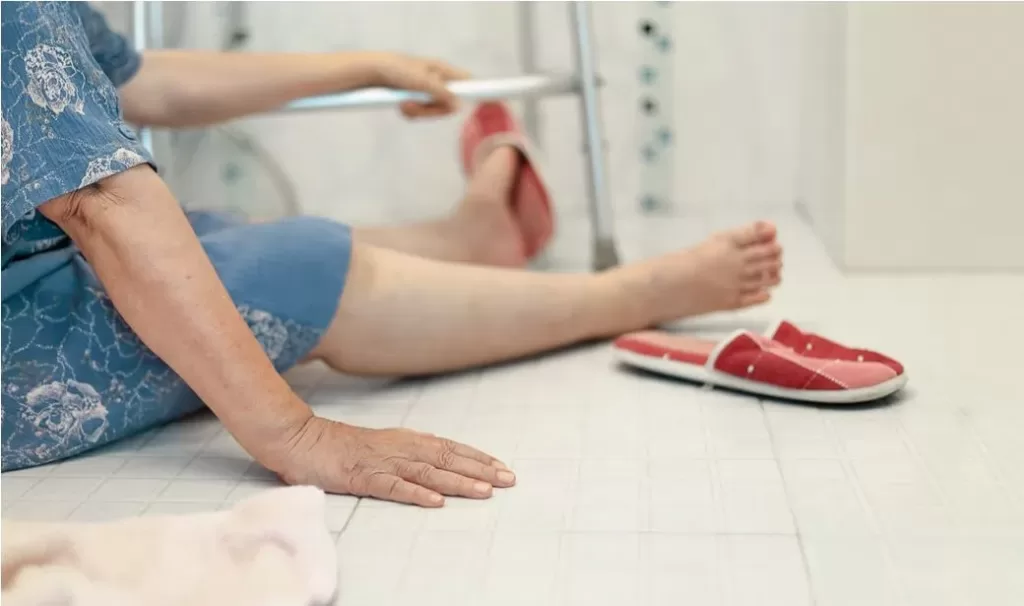
For many families, the festive season or a longer visit home is a rare chance to spend uninterrupted time with an ageing loved one. Phone calls and quick check-ins can reassure us that everything is “fine,” but it’s often only when we are physically present that subtle changes become noticeable.
These changes are not always dramatic. In fact, they are usually quiet, gradual shifts — easy to miss, yet important to understand.
Small Changes That Can Go Unnoticed
When we see a loved one every day, changes happen slowly and feel normal. When we return after time away, patterns stand out more clearly.
You may find yourself noticing:
More frequent tiredness or naps during the day
Smaller meals, skipped meals, or less interest in food
Slower movement, hesitation when standing, or holding onto furniture
Medication that is forgotten, doubled, or taken inconsistently
These observations are not cause for panic. They are signals — gentle indicators that support may be needed, even if independence is still very much intact.
Fatigue That Isn’t Just “Getting Older”
It’s natural for energy levels to change with time, but persistent fatigue can affect quality of life more than many people realise. Being tired can make everyday tasks feel overwhelming, reduce social interaction, and increase the risk of falls or missed medication.
Often, fatigue is linked to small factors such as dehydration, poor nutrition, disrupted sleep, or simply doing too much without enough support.
Nutrition: When Eating Becomes Effort
Many older adults eat less not because they are unwell, but because cooking for one feels like a chore, appetite has changed, or meals have become less enjoyable.
You might notice:
Half-eaten plates
Reliance on snacks instead of balanced meals
Weight loss that wasn’t intentional
These changes are easy to overlook, yet nutrition plays a vital role in strength, immunity, and overall wellbeing.
Mobility and Movement at Home
Movement patterns often change gradually. A chair that was once easy to get out of now requires effort. Stairs are taken more slowly. Balance feels less steady.
These shifts don’t mean independence is lost. They simply mean that small adjustments, supervision, or assistance could make daily life safer and more comfortable.
Medication Routines Matter More Than We Think
Medication management is one of the most common areas families overlook. Pill organisers may be unused, instructions misunderstood, or doses missed without anyone realising.
Even minor inconsistencies can affect energy levels, mood, and physical health over time.
Support Doesn’t Mean Taking Over
Recognising these changes doesn’t mean something is “wrong.” It means your loved one may benefit from extra support — not to replace independence, but to protect it.
General home care can help with:
Daily routines and gentle supervision
Meal preparation and hydration reminders
Mobility assistance and fall prevention
Medication reminders and monitoring
Support at home is often the difference between coping and thriving.
Seeing With Care, Not Fear
Noticing changes can feel emotional. It’s natural to worry, but it’s also an opportunity — a chance to respond early, thoughtfully, and with compassion.
Sometimes, the most loving thing families can do is acknowledge what they see and start a conversation about support that respects dignity and choice.
Need Guidance or Support at Home?
If spending time with a loved one has raised questions or concerns, our team is here to help you explore the right level of care — calmly and without pressure.