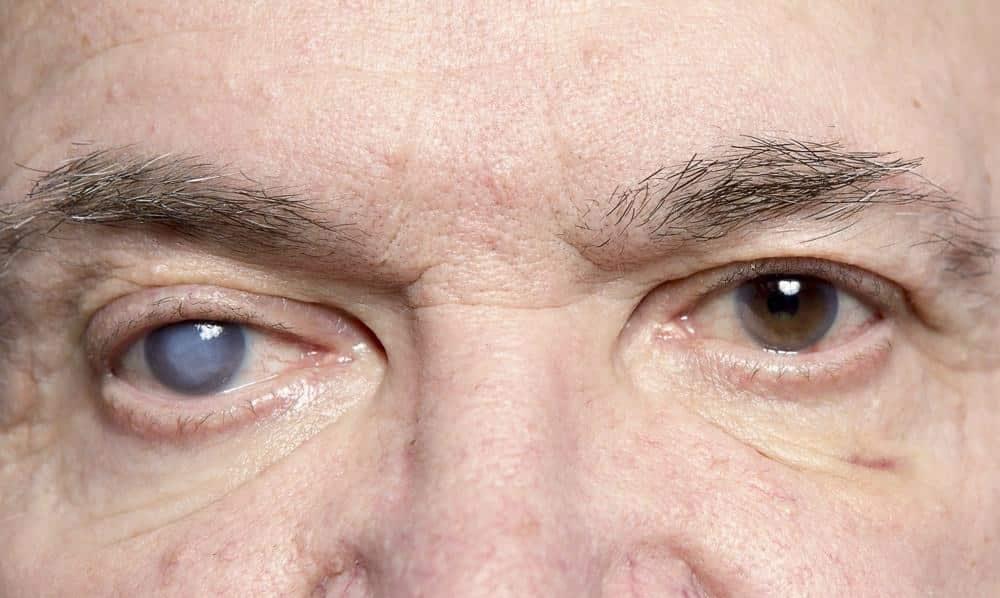
Cataracts are cloudy areas that form on the lens of the eye. Age-related cataracts are the most common type and often develop gradually over time. Common symptoms include blurry vision and glare or halos around lights.
Cataract surgery involves removing the clouded lens and replacing it with a clear artificial lens called an intraocular lens (IOL). Healthcare providers usually recommend surgery when cataract symptoms begin to interfere with daily activities.
The eye’s lens is a clear, flexible structure made mostly of proteins known as crystallins. As you age, these proteins can begin to break down and clump together, forming cloudy patches that affect vision.
Healthcare providers consider cataracts a natural part of the ageing process, with age-related cataracts being the most common form of the condition. However, fading vision does not have to be accepted as unavoidable. Ophthalmologists can perform surgery to remove cataracts and restore clear vision.
Types of Age-Related Cataracts
There are several types of age-related cataracts. These types are classified according to where they form in the lens.
To understand the different types, it helps to know a bit about the structure of the lens. The lens consists of several layers, much like an apple:
-
The nucleus is located at the centre of the lens, similar to the core of an apple.
-
The cortex surrounds the nucleus, like the edible fruit around the core.
-
The lens capsule is a thin membrane that covers and protects the cortex, similar to the skin of an apple.
Eye care providers classify cataracts based on which of these areas become cloudy. Many people develop more than one type of cataract at the same time, as clouding can occur in multiple areas of the lens.
The three most common types of age-related cataracts are:
-
Nuclear sclerotic cataracts, which form in the nucleus.
-
Cortical cataracts, which form in the cortex.
-
Posterior subcapsular cataracts, which form in the posterior (back) part of the cortex, closest to the retina and just beneath the lens capsule.
At What Age Do Cataracts Usually Start?
The proteins in the eye’s lens typically begin to break down around the age of 40. However, most people do not notice symptoms until age 60 or later. Certain medical conditions, such as diabetes, can cause cataracts to develop or become noticeable earlier.
How Common Are Cataracts?
Cataracts are very common worldwide. According to the World Health Organization, approximately 17% of people globally have cataracts that significantly affect their vision.
Prevalence varies by country and region, with higher rates in low- and middle-income areas where people may have more risk factors and limited access to cataract treatment.
Can Cataracts Be Prevented?
While cataracts are a normal part of ageing, there are steps you can take to protect your eye health and potentially slow their progression:
-
Avoid smoking, as tobacco use increases the risk of cataracts.
-
Protect your eyes from ultraviolet (UV) light by wearing sunglasses or eyeglasses with UV protection, and consider wearing a hat with a brim.
-
Attend regular eye examinations and report any changes in vision to your healthcare provider.
Maintaining good eye health can make a meaningful difference in preserving your quality of life as you age.